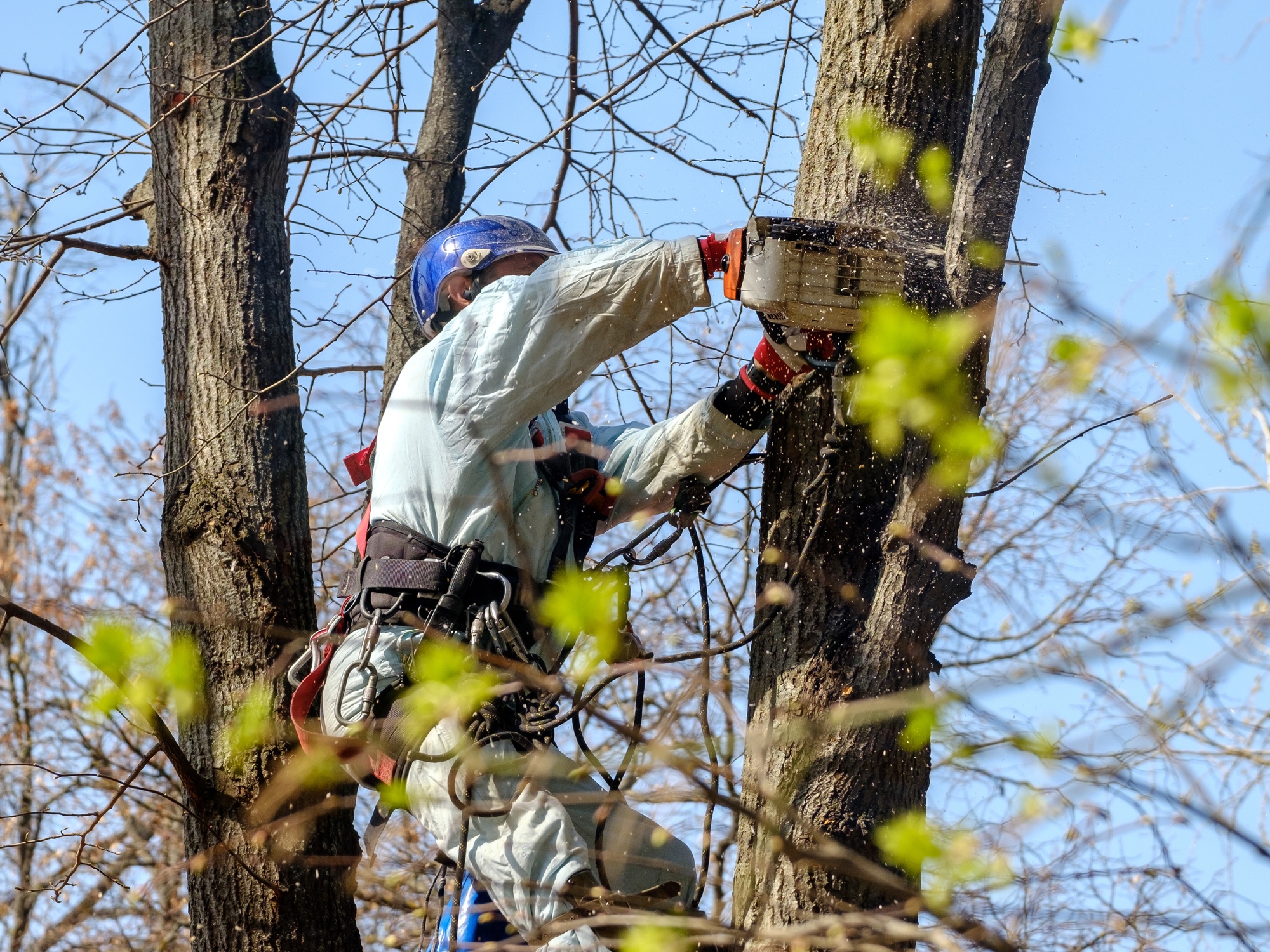
Big trees can turn a calm morning into a sweat-through-your-shirt kind of day fast. When a limb is over a roof or a tight drop zone, the whole crew needs a steady plan before the saw bites. The best way to reduce risk on high-pressure tree jobs is to slow the setup to ensure the cut can be made with confidence.
Start With the Tree’s Story
Every high-pressure job starts with what the tree is telling you. Lean, cracks, decay, and root movement can change the safest approach before anyone leaves the ground. Instead of rushing toward the obvious problem limb, take a full walkaround and look for what could shift under load. A few quiet minutes here can save a very loud mistake later.
Match the Plan to the Pressure
Not every tree needs a dramatic rigging setup, but pressured wood deserves extra respect. When weight is trapped or leaning hard, the release can be faster than expected. A clean plan should cover where the piece wants to go and what will stop it from going there. Steady habits around rigging and communication belong in safety advice every arborist should follow during tree work, because pressure makes small shortcuts tempting.
Keep the Crew in One Rhythm
A strong crew works like a good trail team: everyone knows the pace, the signals, and the next move. Before the climb or lift work begins, confirm who is calling the cuts and who has eyes on the drop zone. Then keep the chatter useful, because extra noise can bury the one warning that counts. Clear communication keeps pressure from turning into guesswork.
Respect Weather and Fatigue
Wind can make a controlled cut act wild, and tired hands can miss a detail that was obvious an hour earlier. If conditions change, the plan should change without anyone treating it like a setback. Ranging temperatures and long hours can mess with judgment, so breaks are part of the work, not a reward after it. A safe pace still gets the job done.
Finish Clean Before Moving On
After the hard cut is done, the risk is not gone. Hanging limbs and unstable debris can still bite if the crew mentally checks out too early. Walk the site again before cleanup gains speed. The final pass is how pros leave the property safer than they found it.
High-pressure tree work has a way of rewarding patience and a crew that knows when to pause. The goal is not to muscle through the danger, but to reduce risk on high-pressure tree jobs with steady choices from the first look to the final cleanup. When the work gets tense, calm judgment is the best tool on the truck.

Texas Outdoors
Latest posts by Texas Outdoors (see all)
- What To Check Before Spending a Day on Lake Travis – September 17, 2026
- Tips To Make Your Pickup Truck the Perfect Travel Vehicle – September 16, 2026
- The Best Winter Destinations for a Motorcycle Trip – September 14, 2026

Leave a Reply