A good outdoor space should make you want to spend more time outside, whether you’re firing up the grill, cleaning fishing gear, or enjoying a quiet evening after a long day. Plenty of Texas homeowners put serious thought into patios and landscaping but treat the paths connecting those areas as an afterthought.
Exploring different ways to make garden paths feel more intentional can turn those overlooked stretches of ground into useful features that improve how the entire property works. You don’t need a fancy landscape design or a truckload of expensive materials to make it happen.
Give Every Path a Real Destination
A garden path should lead somewhere worth going, even if that destination is just your favorite chair beneath a shady tree. Paths that connect a back porch to a fire pit, storage shed, or vegetable garden make outdoor spaces easier to navigate. They also encourage people to explore parts of the yard that might otherwise receive little attention. Nobody wants to wander through the grass wondering why a walkway suddenly ends beside a fence.
Think about how you actually use your property before deciding where a path belongs. If you regularly carry coolers or fishing equipment from the garage to a backyard gathering area, that route deserves a practical surface. A narrow trail might work perfectly for reaching a garden bench, while a frequently traveled walkway needs more generous dimensions. Let your everyday activities determine the layout instead of forcing your yard into a design that looks good only in photographs.
Choose Materials That Can Handle Texas Weather
Texas weather has a way of reminding homeowners who’s really in charge of the backyard. One week might bring scorching sunshine, while the next delivers enough rain to turn a poorly planned walkway into a muddy mess. Materials need to handle those changing conditions without demanding constant repairs. Choosing the right surface from the beginning can save plenty of headaches down the road.
Flagstone offers a natural appearance that complements many Texas landscapes, particularly when homeowners pair it with native plants and rustic outdoor features. Gravel provides a more affordable option and can work well in informal spaces, although it needs edging and occasional replenishment. Concrete pavers create a more uniform surface for routes that see regular foot traffic or accommodate rolling equipment. Whatever material you choose, prepare a stable base and consider how rainwater will drain away from the path.
Use Curves to Create a Sense of Discovery
Straight paths make sense when you need the quickest route between two places, but they aren’t always the most interesting choice. A gentle curve can encourage visitors to slow down and notice the plants, seating areas, or natural features surrounding the walkway. This approach works especially well in larger yards where landscaping creates separate outdoor spaces. A path that disappears behind a cluster of shrubs can make even a familiar backyard feel a little more adventurous.
Keep those curves purposeful rather than adding twists simply for decoration. A winding route should still feel comfortable to walk, especially when someone carries food, drinks, or outdoor equipment. Use existing trees, garden beds, and natural changes in elevation to guide the shape of the path. The best layouts balance a relaxed appearance with enough practicality that nobody feels tempted to cut straight across the lawn.
Make Evening Walkways More Inviting
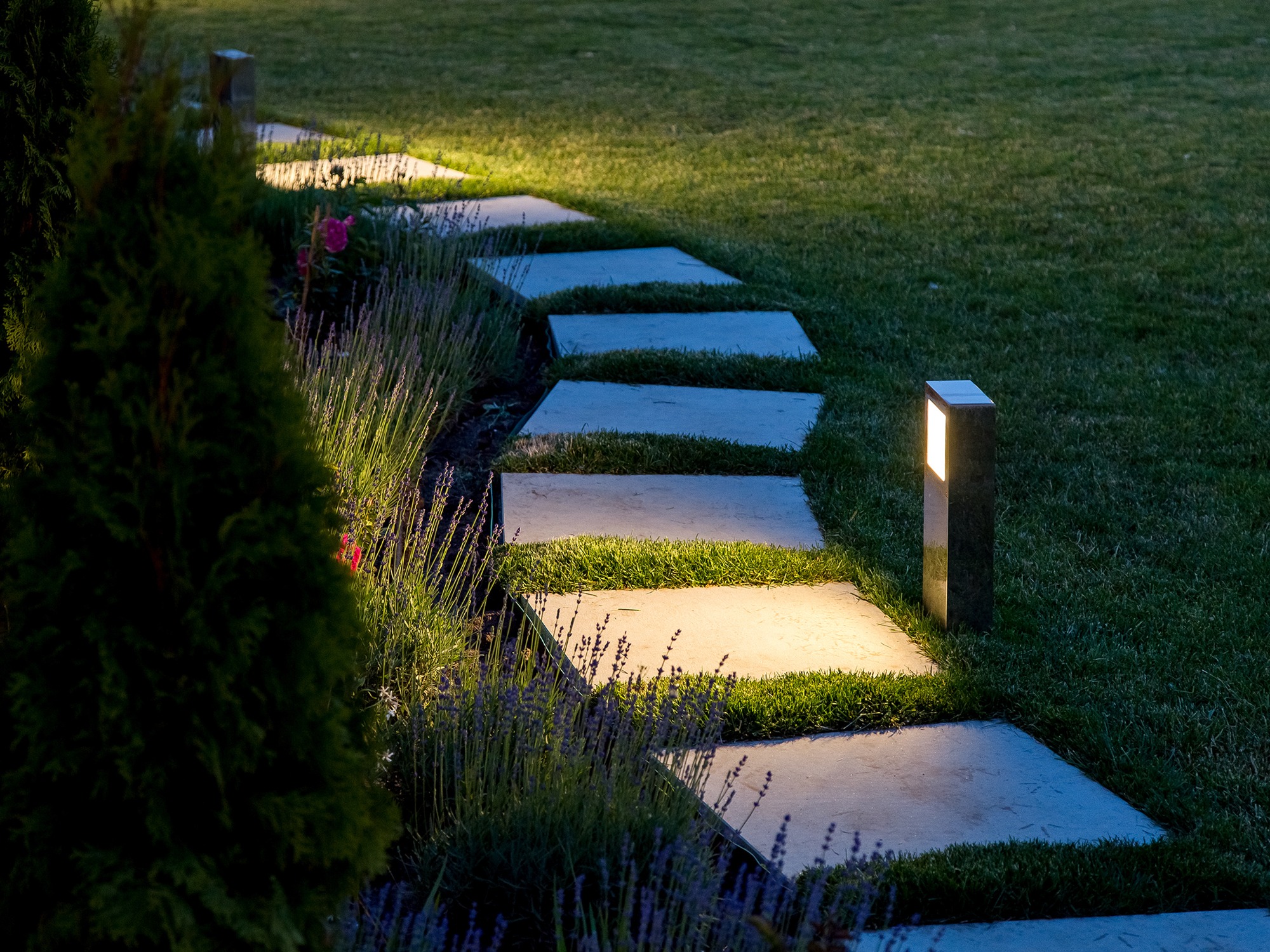
Outdoor activities don’t always end when the sun goes down, especially during long Texas summers. Homeowners often enjoy grilling, entertaining, or relaxing outside after temperatures finally become bearable. Unfortunately, poorly lit paths can make moving between outdoor areas difficult once daylight fades. Thoughtful lighting defines the walkway while making the surrounding landscape more inviting.
When choosing fixtures, consider the weather-resistant features in pathway lighting that actually help outdoor products withstand rain, heat, and changing seasonal conditions. Look for appropriate outdoor ratings, durable housing materials, and designs that direct light toward the walking surface without creating unnecessary glare. Solar-powered options can simplify installation in sunny locations, although nearby trees and shaded areas may affect charging performance. Position fixtures near changes in direction, steps, and other areas where visibility matters most.
Add Small Features That Encourage People To Stay
Some of the best garden paths do more than move people through a yard. They create opportunities to stop, enjoy the surroundings, and appreciate the outdoor space you’ve worked hard to maintain. A bench near a shade tree or a small seating area overlooking the garden can turn a simple route into a destination. These features don’t need elaborate construction to make a noticeable difference.
Consider adding a few practical touches along the way:
- A resting spot: Place a weather-resistant bench where visitors can enjoy shade or a favorite view.
- A gathering area: Connect the path to a fire pit or casual seating arrangement.
- A garden feature: Use a birdbath or decorative stone to create a natural focal point.
- A useful connection: Extend the walkway toward an outdoor cooking area or equipment storage space.
Keep Maintenance From Becoming a Weekend Chore
A great-looking walkway loses some of its appeal when it demands constant attention. Weeds, shifting stones, standing water, and overgrown plants can gradually make a path less comfortable to use. Fortunately, regular inspections and a little preventative maintenance can keep most problems manageable. A few minutes of upkeep every so often beats rebuilding a neglected walkway after several seasons.
Check gravel paths for uneven areas and replenish material where regular traffic creates shallow spots. Remove debris from drainage areas, trim vegetation that reaches into the walkway, and inspect pavers for movement after heavy rain. Avoid letting soil collect against wooden features, since trapped moisture can encourage deterioration. If your property experiences frequent runoff, addressing the drainage problem will accomplish more than repeatedly replacing washed-out material.
Build a Path That Fits Your Outdoor Lifestyle
Every Texas yard has its own personality, from compact suburban backyards to spacious rural properties with room to roam. A successful walkway should complement that setting while supporting the activities that make outdoor living enjoyable. Whether you’re connecting a garden to the porch or creating a comfortable route toward your favorite evening hangout, intentional garden path design comes down to thoughtful choices. Build for the weather, keep everyday convenience in mind, and give yourself another good reason to enjoy the great outdoors.

Texas Outdoors
Latest posts by Texas Outdoors (see all)
- Boat Safety: What to Inspect Before Hitting the Water – November 19, 2026
- Ways To Make Garden Paths Feel More Intentional – November 19, 2026
- Holsters: Which Type Do You Need for Hunting? – November 19, 2026

Leave a Reply