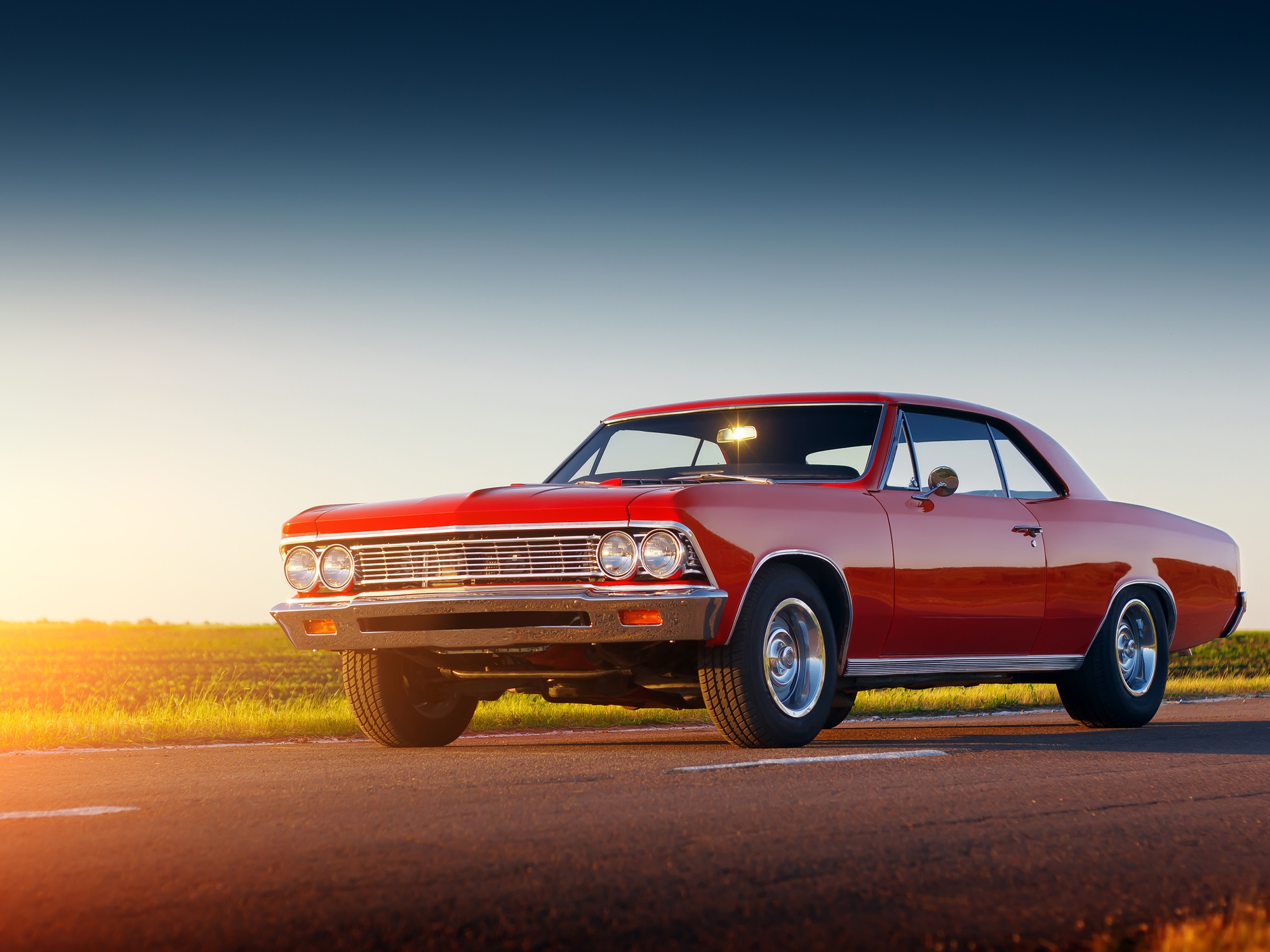
Older cars carry stories, grit, and a whole lot of miles under the hood. Many drivers keep them running for road trips and everyday errands, but that doesn’t mean you can just throw them out on the road.
With older vehicles, you face a higher risk of mechanical problems or sudden issues. You can still drive with confidence, though, if you stay sharp about maintenance and habits. Use these five simple tips to drive safer with an older car while you enjoying every mile.
Check Your Tires Before Every Drive
Your tires do more work than you think, especially on long Texas highways and rough backroads. You should check pressure often because heat and wear change how tires perform.
Specifically look for cracks, low tread, or uneven wear before heading out. All of these issues can lead to blowouts and accidents on the road, so if you spot them, don’t drive. Many drivers also overlook tire safety tips for older vehicles, yet those small checks prevent big problems.
Keep Your Brakes Sharp And Responsive
Brakes need attention as cars age, and you should never ignore changes in how they feel. Ignoring any changes in your breaks can lead to accidents and severe injuries. Listen for squeaks or grinding sounds when you slow down.
If you’re worried at all about your brakes, test them in a safe area to make sure everything feels solid. Begin driving slowly, then step on the brake to ensure it is working properly. Quick stops matter when wildlife crosses the road or traffic shifts suddenly.
Upgrade Your Lighting For Better Visibility
Old headlights lose brightness over time, which makes night driving tougher than it should be. You can swap in newer bulbs or restore cloudy covers to improve your view. Clear lighting helps you spot obstacles, road signs, and sudden turns earlier. Better visibility also makes sure other drivers see you from a distance.
Stay On Top Of Fluids And Engine Health
Older engines rely on clean fluids to keep everything moving smoothly. You should check oil, coolant, and transmission fluid regularly to avoid breakdowns. If you’re low on any of these fluids, quickly refill them to avoid any issues on the road.
Pay attention to smells, leaks, or dashboard warnings that signal trouble. A healthy engine keeps your trips steady, whether you head to the job site or the campsite.
Drive With Awareness And Adjust Your Habits
Older cars need a little more patience behind the wheel. You should leave extra space between you and other vehicles at all times. Smooth acceleration and steady braking reduce strain on aging parts. Stay alert and plan ahead so you handle traffic, weather, and road conditions with ease.
Staying Safe With Older Vehicles
Safely driving an older car does not mean you give up on reliability. You just need to stay proactive and pay attention to the details that matter most.
These simple habits help you enjoy every trip with confidence and control. Keep your ride in shape, and it will keep showing up for you mile after mile.

Texas Outdoors
Latest posts by Texas Outdoors (see all)
- What To Check Before Spending a Day on Lake Travis – September 17, 2026
- Tips To Make Your Pickup Truck the Perfect Travel Vehicle – September 16, 2026
- The Best Winter Destinations for a Motorcycle Trip – September 14, 2026

Leave a Reply