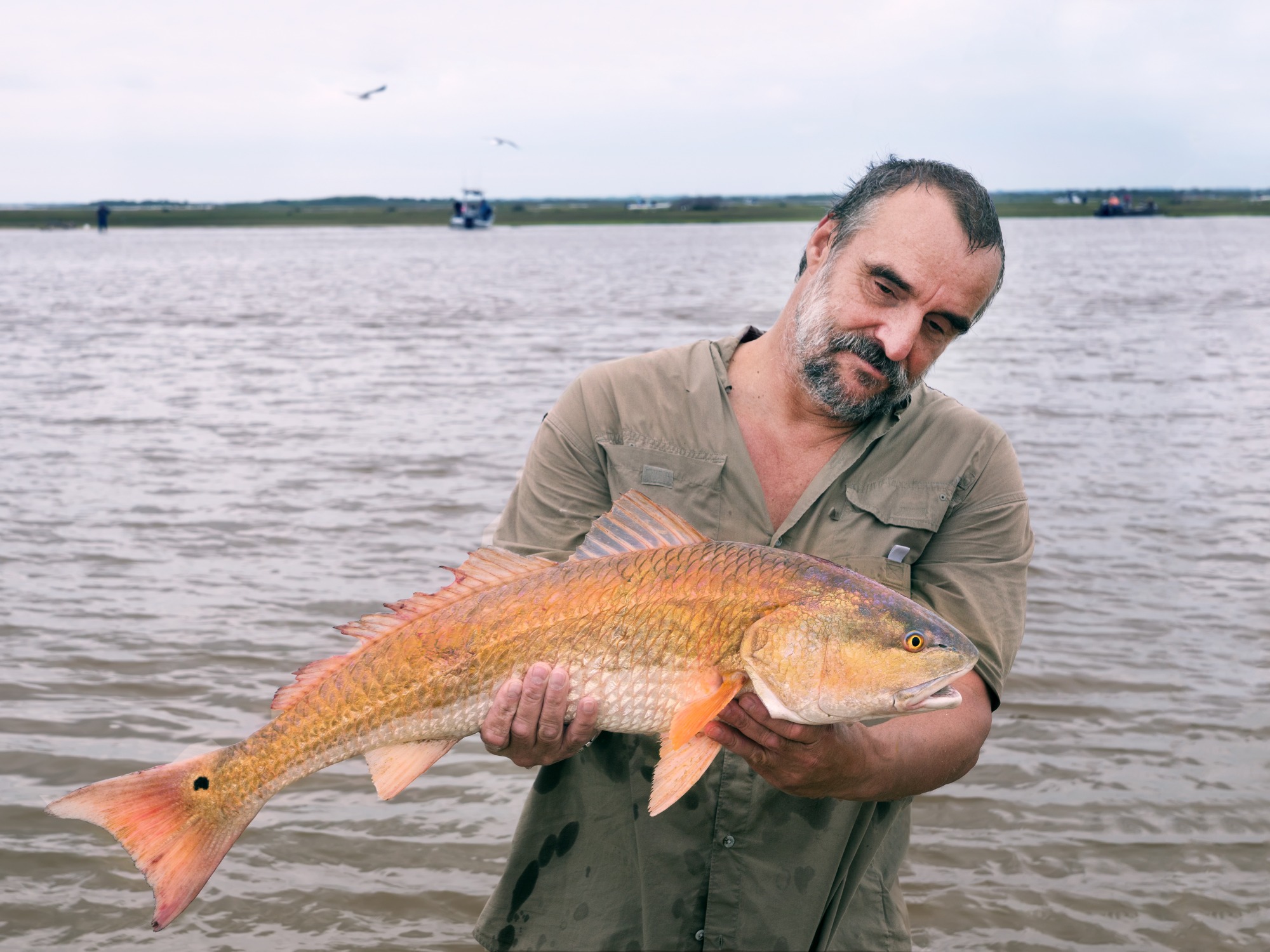
Texas has some of the best saltwater fishing in the country, and if you haven’t wet a line in the Gulf yet, you’re missing out. From Corpus Christi to Galveston, the coast is packed with redfish, speckled trout, flounder, and more. Whether you’re just getting started or you’ve done a little freshwater fishing and want to make the jump, let’s dig into some tips for going saltwater fishing in the Lone Star State.
Get Your License Sorted First
You can’t just show up and start casting. Texas requires a fishing license for anyone 17 and older, and if you’re fishing in saltwater, you’ll need a saltwater fishing endorsement on top of it. You can grab both through Texas Parks and Wildlife online in about five minutes.
Know Which Fish You’re After
Knowing your target species helps you pick the right gear, the right bait, and the right spot. Texas Gulf waters give you options.
Redfish (red drum) are one of the most popular targets, and they put up a solid fight. Speckled trout are another go-to, especially in the bays and estuaries. If you want something a little more exciting and you’re fishing offshore, you’ll find kingfish, mahi, and even marlin out in deeper water.
Pick the Right Spot for Your Experience Level
Beginners do best in the bays and inlets before venturing offshore. Places like Matagorda Bay, Aransas Bay, and Laguna Madre are perfect starting points. The water’s calmer, the fish are plentiful, and you don’t need a serious offshore rig to have a great day. Save the deep Gulf runs for when you’ve got more experience or you’re going out with someone who does.
Use the Right Bait for Saltwater
Live shrimp is one of the most effective baits you can use along the Texas coast, and it works on almost everything. Cut mullet, crab, and sand eels are also solid choices, depending on your target. If you’re going with artificial lures, gold spoons and soft plastic paddle tails work great for redfish and trout.
Don’t Forget the Tides
Tides control when and where fish are feeding. Typically, incoming tides push baitfish into the shallows, and the predators follow them. Conversely, outgoing tides concentrate fish near channels and drop-offs. Download a tide chart app before you head out, and plan your fishing around moving water.
Take Care of Your Gear After Every Trip
Saltwater is hard on your equipment. Rinse everything, including your rod, reel, tackle box, and hooks, with fresh water after every outing. If you want to keep your hooks from rusting between trips, proper storage and regular rinsing are the ways to do that.
Go Catch Something
Saltwater fishing in the Lone Star State rewards people who show up prepared. If you follow these tips, the Texas coast shouldn’t disappoint.

Texas Outdoors
Latest posts by Texas Outdoors (see all)
- Why Your ATV Runs Worse After It Warms Up – October 5, 2026
- What To Check Before Spending a Day on Lake Travis – September 17, 2026
- Tips To Make Your Pickup Truck the Perfect Travel Vehicle – September 16, 2026

Leave a Reply