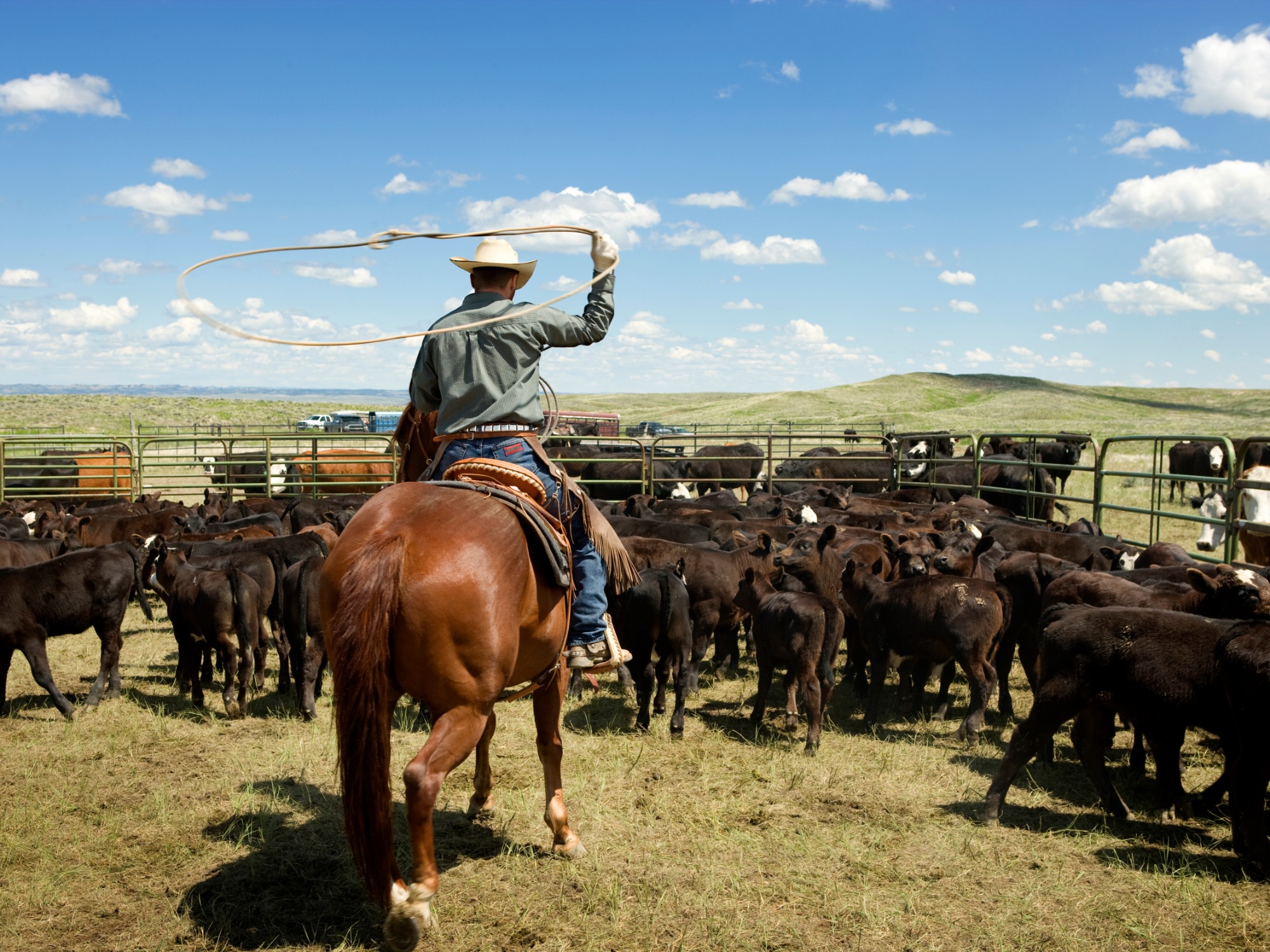
A clear vision sets direction for a cattle ranch that seeks steady progress across seasons, markets, and shifting environmental conditions. Ranch owners who define measurable goals create a strong base that supports resource use and financial discipline. This approach reduces risk exposure and helps maintain focus across cycles that influence cattle health and overall productivity.
Effective planning requires awareness of land capacity and cost structures that influence revenue stability across varied market conditions. Ranchers must review past performance data to refine strategies that support consistent financial returns. Building a long-term growth plan for cattle ranches allows better preparation for uncertainty and creates confidence when decisions require careful evaluation under pressure.
Establish Clear Operational Objectives
Clear objectives provide direction for ranch operations and help maintain alignment across daily tasks and long-range priorities. Each objective must reflect realistic expectations based on land resources and financial capacity within a structured operational framework. Ranch leaders who define precise goals improve accountability and create a path toward measurable outcomes that support sustainable ranch development.
Evaluate Land and Resource Capacity
Land assessment helps determine stocking rates that protect pasture health and support optimal cattle nutrition across different seasonal conditions. Ranchers must examine soil quality and water access to ensure sustainable use of natural resources. Proper evaluation prevents overuse, preserves land productivity, and supports herd performance across changing environmental conditions.
Monitor Performance and Adjust Strategies
Performance monitoring allows ranchers to track progress against objectives and identify areas that require improvement across operations and financial outcomes. Regular evaluation helps detect inefficiencies and supports timely adjustments that maintain alignment with ranch goals. Learning how to make your cattle ranch more profitable will help you refine decisions, strengthen financial outcomes, and support steady progress across evolving market conditions.
Strengthen Financial Planning Practices
Financial planning allows ranch owners to manage expenses and prepare for unexpected costs that may affect operational stability. Accurate records support informed decisions and provide insight into cost drivers that influence overall ranch profitability. A disciplined financial approach helps maintain liquidity and supports investments that enhance productivity across the ranch system.
Develop Risk Management Strategies
Risk management helps ranchers prepare for weather events, market fluctuations, and disease outbreaks that can disrupt operations and affect profitability. A proactive approach includes contingency planning and resource allocation that support resilience during periods of uncertainty. Ranchers who anticipate risks can respond effectively and maintain operational stability under challenging conditions.
A structured growth plan for cattle ranchers provides clarity and direction for operations across changing market conditions that influence success. Ranchers who commit to disciplined planning and consistent evaluation build a foundation that supports sustainable progress. Each decision contributes to a system that balances productivity and financial performance.

Texas Outdoors
Latest posts by Texas Outdoors (see all)
- What To Check Before Spending a Day on Lake Travis – September 17, 2026
- Tips To Make Your Pickup Truck the Perfect Travel Vehicle – September 16, 2026
- The Best Winter Destinations for a Motorcycle Trip – September 14, 2026

Leave a Reply