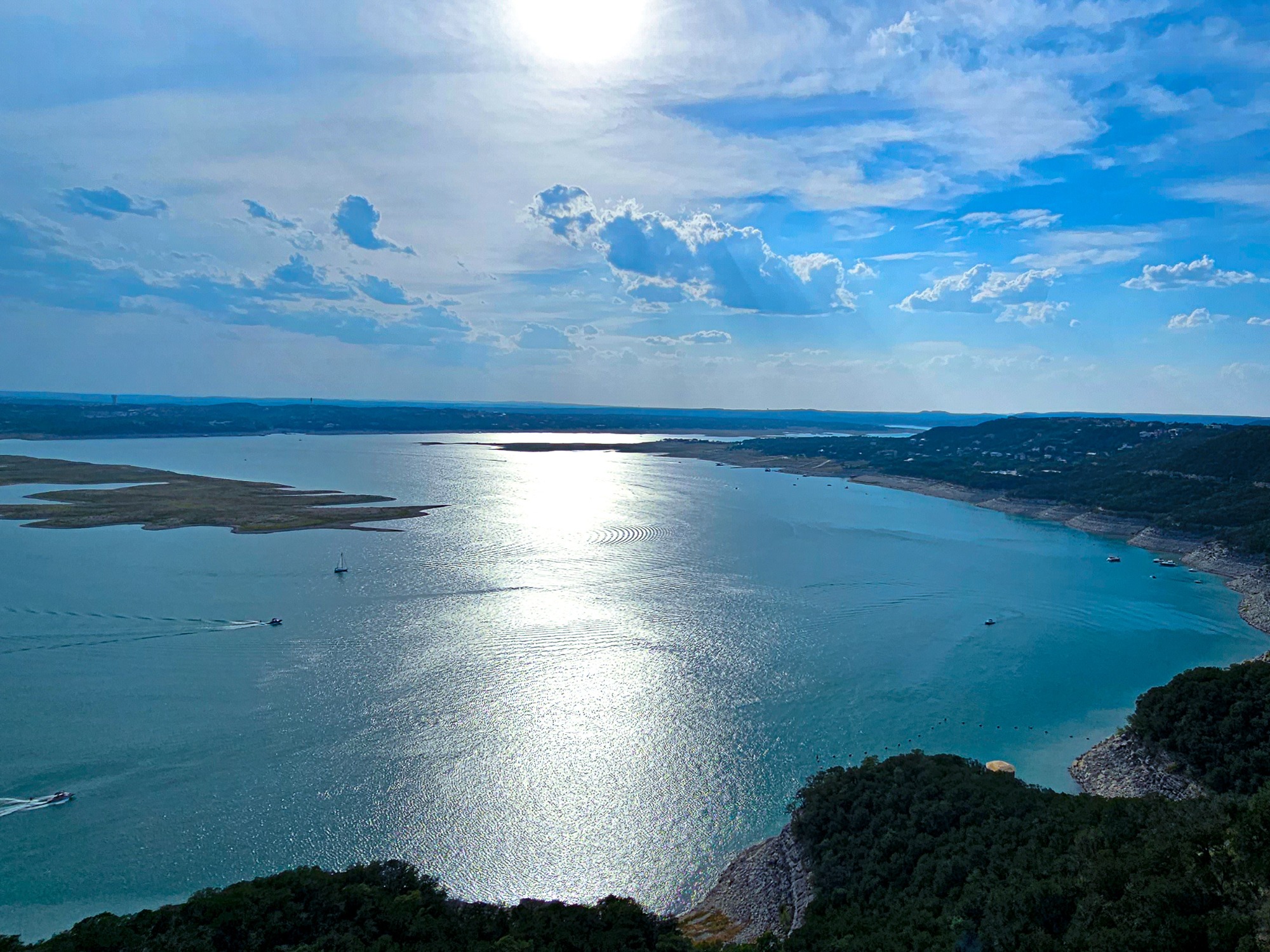
Lake Travis can serve up just about everything Texans want from a day on the water: big views, cool swimming spots, lively coves, and enough room to stretch the legs on a boat. But this Central Texas reservoir also has a habit of changing the game.
Water levels rise and fall. A sunny morning can turn windy by midafternoon. Boat ramps that worked fine on a previous trip may become less practical when the lake drops. Add weekend traffic, summer heat, and the usual Texas-sized enthusiasm, and a little preparation starts looking mighty sensible.
Before backing down the ramp or heading out with a rental crew, we’ll break down what to check before spending a day on Lake Travis.
Check the Lake Level Before You Leave
Lake Travis is a reservoir, not a constant-level lake. Its elevation changes with rainfall, drought, water releases, and regional water demand. Those changing water levels can dramatically affect your Lake Travis boating experience.
When the lake sits lower, familiar shorelines may look completely different. Rocks, stumps, shelves, and other hazards can sit closer to the surface. Some coves become shallower, while certain docks and ramps may have reduced access.
Higher water creates its own considerations. Debris can enter the lake after major rain events, and the layout near shore can change as water covers areas that were previously dry.
Boaters should never assume that last month’s route, swimming spot, or launch setup will work exactly the same today.
Pay Attention To Boat Ramp Access
Checking the lake level also helps answer one practical question: Can you launch where you want to?
Some ramps handle changing water levels better than others. A ramp may technically remain open while becoming harder to use with a particular boat or trailer.
Before leaving home, confirm the status of the ramp you plan to use. If you are renting a boat, ask where boarding takes place and about any changes to the pickup location.
That five-minute check beats discovering a problem with a trailer full of gear and a truckload of impatient fishing buddies.
Look at More Than the Temperature
A forecast that says 94 degrees and sunny does not tell the whole story.
Wind deserves just as much attention as temperature. Strong winds can make open stretches of Lake Travis rough, especially for smaller boats. They can also complicate docking and anchoring.
Watch for thunderstorms as well. Central Texas storms can develop quickly during warmer months, bringing lightning, heavy rain, and sudden gusts.
Check the hourly forecast rather than relying only on the day’s high and low. Look at wind speed, gusts, storm chances, and the timing of any weather system moving through the area.
Confirm Your Boat and Safety Gear
Before spending a day on Lake Travis, you must check the condition of your boat and verify your safety gear. Whether you own the boat or rent one, take a few minutes to cover the basics with all passengers before leaving the dock.
Life jackets should be aboard and accessible. Children need proper flotation devices, and every adult should know the location of safety equipment.
Check fuel, batteries, navigation lights, lines, anchors, and communication equipment. If you carry a phone as your primary means of communication, protect it from water and make sure it has a healthy charge.
A portable battery pack earns its keep quickly during a long lake day.
Know Who Is Running the Boat
Decide who will operate the boat before opening the cooler and cranking up the music.
The operator must stay alert, understand basic navigation practices, and know how the boat handles. That matters even more around crowded docks, narrow areas, swimmers, and anchored boats.
If you are using a captain or rental service, listen to the safety briefing. The information may sound simple, but knowing where equipment sits and what to do during an emergency matters when something goes sideways.
Plan for Texas Heat
A day on Lake Travis can sneak up on people who underestimate the sun.
Bring more water than you think the group will drink. Pack sunscreen, hats, sunglasses, and lightweight clothing that provides sun protection.
Shade matters, too. If the boat has a canopy or covered area, use it periodically rather than spending six straight hours roasting like brisket on the upper deck.
Heat becomes more serious when passengers stop paying attention to how they feel. Never ignore symptoms like headaches, dizziness, weakness, nausea, and confusion.
Know Where You’re Going
You do not need a minute-by-minute itinerary, but having a rough plan helps.
Lake Travis covers a lot of territory. Decide whether the day centers on fishing, swimming, cruising, sightseeing, or hanging around a popular cove.
Your plans affect what you must bring and how much travel time to expect.
If swimming is part of the day, identify safe places to stop away from heavy boat traffic. If fishing is the priority, check current fishing regulations, licensing requirements, and seasonal patterns before launching.
Expect More Traffic on Busy Days
Lake Travis gets lively on warm weekends and holidays.
More boats mean more wakes, more activity around ramps, and more patience at docks. Give other vessels room, slow down when conditions call for it, and expect delays during popular launch and return times.
Wake awareness makes a big difference. A wake that feels minor from the helm can create trouble for paddlers, swimmers, smaller boats, or someone trying to step onto a dock.
Pack for the Actual Day You Plan
A fishing trip requires different gear than an afternoon of swimming and cruising.
Start with the essentials, then add equipment based on the day’s activities. Dry bags help protect wallets, phones, keys, and clothing. Towels and extra clothes come in handy even when nobody plans to swim.
Bring snacks that can handle the heat, and secure loose items before the boat gets moving.
Trash bags deserve a spot aboard, too. Lake Travis belongs to everyone who uses it, and packing out what you bring in keeps shorelines and coves cleaner.
Check Conditions Again at the Water
Conditions can change between breakfast and launch time.
Take another look at the weather, wind, lake access, and any local notices once you arrive. Talk with marina staff, guides, captains, or other experienced lake users if something looks different than expected.
That final check becomes especially valuable after storms, sharp weather changes, or noticeable shifts in water elevation.
A Little Preparation Makes for a Better Lake Day
Lake Travis rewards people who arrive ready for the conditions in front of them.
Check the water level. Review the weather. Confirm access, safety equipment, and the day’s basic plan. Then leave enough flexibility to adjust once you see what the lake is doing.
Texas lakes have their own personalities, and Lake Travis is no exception. Treat it with a little respect, bring plenty of water, and save the improvising for deciding who gets control of the playlist.

Texas Outdoors
Latest posts by Texas Outdoors (see all)
- Common Winter Beekeeping Issues and How to Prepare – October 13, 2026
- Why Heavy Towing Changes How Your Truck Performs – October 12, 2026
- The Best Shoes for Spending Rainy Days Outdoors – October 9, 2026

Leave a Reply