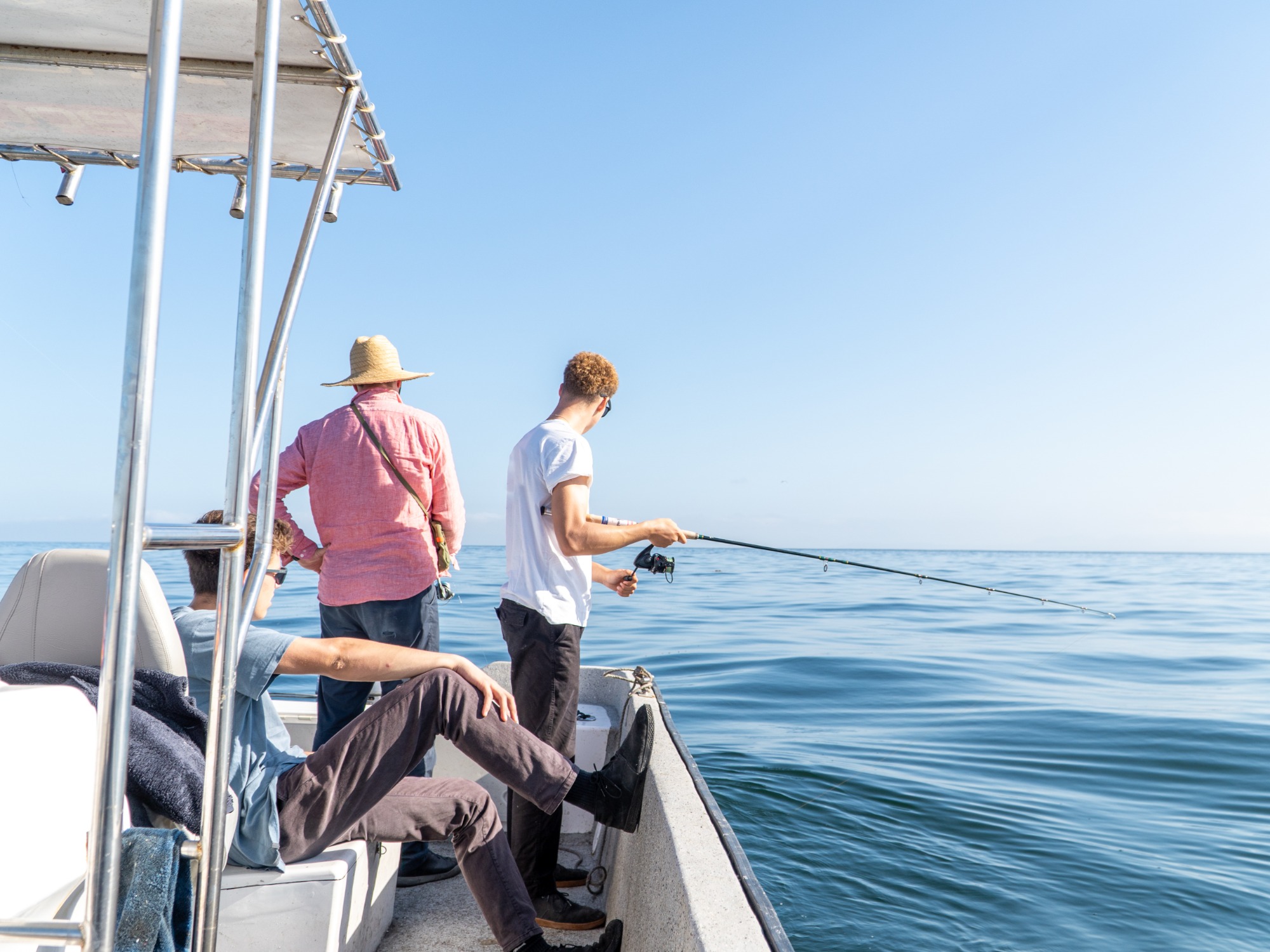
Spending an entire day on the water gives anglers more opportunities to reach promising fishing grounds and enjoy their favorite pastime without watching the clock. Yet the longer an outing lasts, the more small decisions can influence whether everyone returns with good memories or wishes they had headed home hours earlier.
Many common mistakes that can ruin a long fishing trip have little to do with fishing ability. Poor planning and uncomfortable conditions can create problems even when the fish are biting. Recognizing these mistakes before they interfere with the experience makes extended outings more enjoyable for everyone aboard.
1. Planning Too Much Fishing for One Day
When anglers have several promising locations in mind, the temptation to visit every one can turn a relaxing outing into an exhausting schedule. Traveling between distant fishing grounds takes time, particularly when changing water conditions force a boat to travel more slowly than expected. An ambitious itinerary may leave little opportunity to enjoy the locations that originally made the trip appealing.
A more realistic plan accounts for travel distances and the amount of daylight available. Choosing a primary fishing area with a nearby alternative gives anglers flexibility without requiring constant movement. Allowing extra time for unexpected delays also prevents the outing from becoming a race against the clock.
2. Ignoring Weather Changes After Departure
Even when the morning forecast looks favorable, conditions on open water can change considerably during an extended outing. Increasing winds may produce uncomfortable waves, while approaching storms can make returning to shore more difficult. Anglers who concentrate entirely on fishing may overlook early indications that the weather is deteriorating.
Checking updated marine forecasts throughout the day provides a clearer picture of developing conditions. Paying attention to wind direction and visibility can reveal changes that deserve immediate consideration. When conditions begin moving beyond the boat’s capabilities or the crew’s experience, adjusting the itinerary early is preferable to waiting until the return journey becomes hazardous.
3. Bringing Gear That Doesn’t Suit the Conditions
A fishing trip can become frustrating when anglers discover that their equipment does not match the species or conditions they encounter. Rods and reels that work well in sheltered waters may prove unsuitable for heavier offshore fishing, while inappropriate tackle can make handling larger fish unnecessarily difficult. Discovering these limitations miles from shore leaves few practical options.
Before departure, anglers should consider their intended fishing locations and the species they expect to encounter. Different fishing environments place different demands on equipment, so choosing gear based on previous outings alone may leave anglers unprepared for unfamiliar conditions.
Inspecting fishing line and checking reel performance can reduce the likelihood of equipment problems interrupting the outing. Keeping replacement tackle aboard provides a way to recover from common failures without abandoning the day’s plans. A little preparation onshore can prevent an otherwise promising fishing opportunity from ending because of a damaged component.
4. Overlooking Physical Comfort During Long Hours
Remaining aboard a fishing boat for several hours places demands on the body that may not become apparent during shorter outings. Repeated exposure to waves can create discomfort, particularly when passengers spend extended periods sitting in positions that offer limited support. As fatigue develops, even enthusiastic anglers may find themselves concentrating more on their aching backs than the surrounding water.
Boat seating deserves consideration because passengers experience movement differently depending on where and how they sit. For example, air ride boat seats can reduce some of the jolting associated with rougher conditions, although they cannot eliminate the effects of heavy seas. Taking regular opportunities to change position when conditions permit can further reduce discomfort throughout the outing.
5. Failing to Manage Food, Water, and Sun Exposure
Hours spent fishing under direct sunlight can leave anglers feeling drained well before they finish their planned activities. Wind and occasional splashes may create a cooling sensation, making it easy to underestimate the effects of prolonged sun exposure. Meanwhile, concentrating on fishing can distract people from drinking water or eating enough to maintain their energy.
Packing sufficient drinking water and accessible meals makes it easier to maintain a comfortable routine aboard. Sunscreen requires regular reapplication according to its instructions, especially after swimming or heavy sweating, while protective clothing can reduce direct exposure.
When several people share a boat, individual needs may differ considerably throughout the day. Someone who feels comfortable during the morning may struggle with the afternoon heat, particularly when the boat offers limited shade. Scheduling occasional breaks gives everyone an opportunity to rest before discomfort begins affecting their enjoyment.
6. Staying at an Unproductive Spot for Too Long
Finding a promising fishing location does not guarantee that fish will remain active there throughout the day. Changes in tides and currents can influence where fish gather, leaving previously productive areas unexpectedly quiet. Anglers who become attached to one location may spend hours waiting for activity that never returns.
Deciding when to move requires balancing patience with observations of the surrounding conditions. Changes in baitfish activity or water movement may provide useful clues about whether a location still deserves attention. Having an alternative fishing ground in mind allows anglers to respond when conditions change, although moving constantly without giving an area a reasonable chance can prove equally frustrating.
7. Waiting Too Long To Begin the Return Trip
As an enjoyable fishing day approaches its end, the possibility of catching one more fish can make departure difficult. Unfortunately, every additional hour on the water reduces the margin available for unexpected delays. A return journey that seemed manageable earlier may become considerably less appealing when fading daylight or increasing fatigue enters the picture.
Establishing a departure time before leaving shore provides a useful boundary for the day’s activities. The schedule should account for the distance home and any applicable navigation requirements, with enough flexibility to return earlier when necessary. Respecting that departure window allows anglers to finish the outing without placing unnecessary pressure on the final journey.
Making the Most of Every Hour on the Water
The appeal of a long fishing trip comes from having enough time to settle into the experience without feeling rushed between locations. Yet extending an outing does not automatically make it more rewarding, particularly when discomfort or unrealistic expectations begin interfering with the enjoyment of fishing.
Avoiding the common mistakes that can ruin a long fishing trip means recognizing when preparation and sensible decisions matter as much as the catch itself. Anglers who remain attentive to changing conditions and respect their own limits can enjoy the freedom of an extended outing while preserving the enthusiasm that brought them onto the water in the first place.

Texas Outdoors
Latest posts by Texas Outdoors (see all)
- Common Mistakes That Can Ruin a Long Fishing Trip – November 4, 2026
- Essential Safety Tips for Recreational Boaters – October 27, 2026
- Bat Modifications That Can Help Increase Exit Velocity – October 20, 2026

Leave a Reply