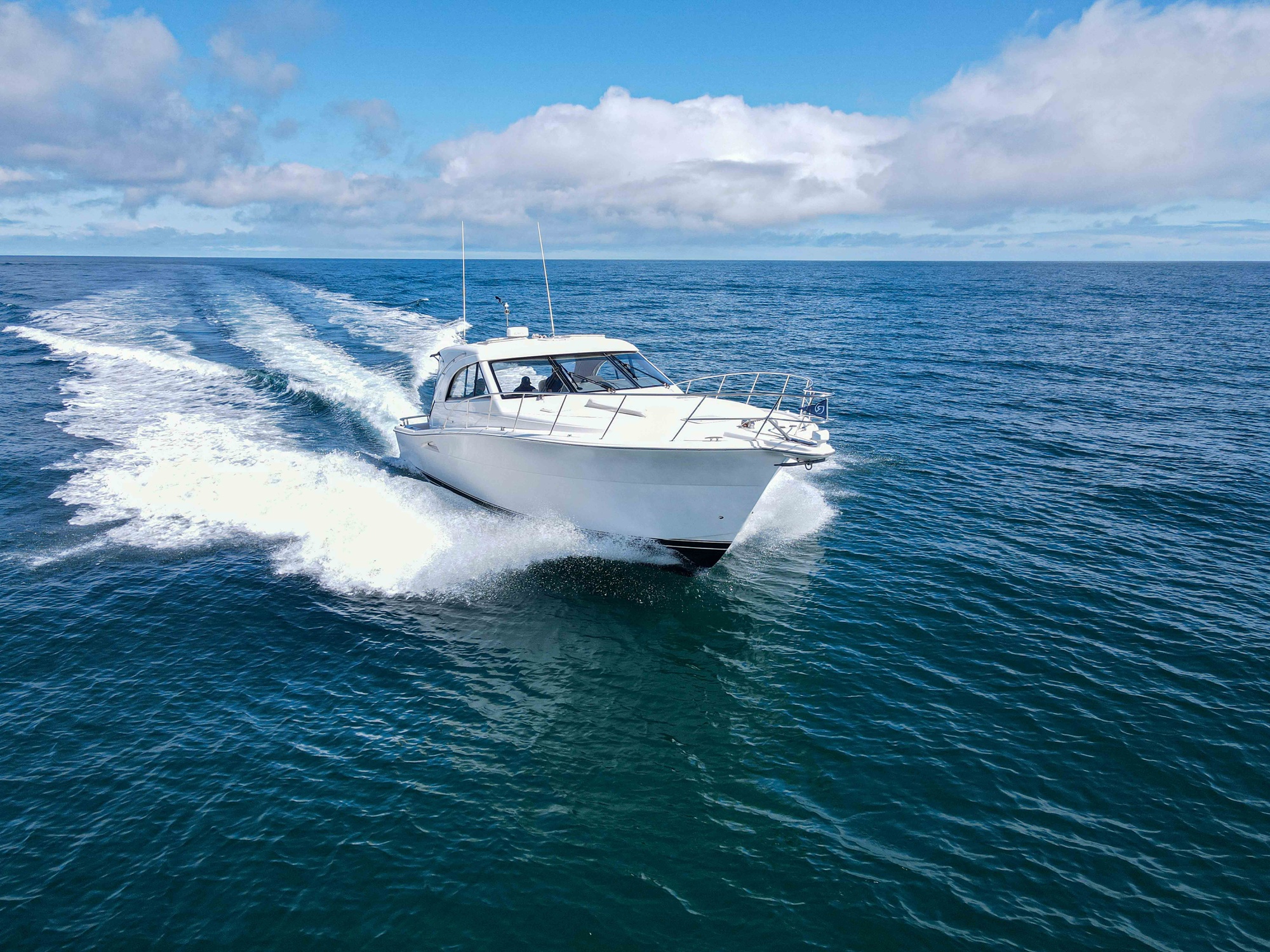
Recreational boating offers an enjoyable way to spend time outdoors, but every trip requires preparation. Changing weather, unexpected equipment problems, and crowded waterways can create dangerous situations. Whether you operate a small fishing boat or a larger vessel, responsible decisions help protect everyone aboard. Understanding essential safety tips for recreational boaters allows you to anticipate hazards and respond confidently when conditions change.
Inspect Your Boat Before Departure
Start each outing with a careful inspection of your vessel. Check the hull for damage and look for signs of leaks around fittings. Test navigation lights before departure. Confirm that your steering responds and that your engine starts. Small mechanical concerns can become serious problems once you travel away from shore.
Examine fuel levels and consider how much fuel your return journey might require. Leave a reserve for delays or unexpected detours. Check the battery connections and make sure your bilge pump operates properly. Address any concerns before departure rather than hoping they will resolve themselves during your trip.
Wear Properly Fitted Life Jackets
Every person aboard should have access to an appropriately sized, approved life jacket. Encourage passengers to wear their life jackets whenever the boat is underway, especially during rough water conditions. A life jacket offers protection only when it fits correctly and remains securely fastened. Check the manufacturer’s guidance for sizing and proper use.
Children need jackets designed for their weight and body size. Adults should avoid assuming that swimming ability replaces flotation protection. Unexpected falls can cause injury or disorientation, making even experienced swimmers vulnerable. Inspect jackets for damaged straps or worn material and replace equipment that no longer provides dependable protection.
Monitor Weather and Water Conditions
Review the marine forecast before leaving shore and pay attention to wind predictions. Weather can shift quickly, particularly across open water where waves build with increasing wind. Learn to recognize darkening clouds and sudden temperature changes as possible warnings. If conditions deteriorate, head toward a safe harbor before the situation becomes difficult to manage.
Continue checking weather updates throughout your trip rather than relying on the morning forecast. Consider your vessel’s capabilities when evaluating wave height and visibility. Postpone an outing when conditions exceed your experience or comfort level. Choosing to remain ashore demonstrates sound judgment rather than caution.
Follow Navigation Rules and Posted Restrictions
Operators must understand right of way responsibilities and maintain a proper lookout. Stay alert for approaching vessels and anticipate their movements to maintain a safe distance. Reduce your speed near docks or congested channels where obstacles may appear. Respect posted boat speed limits and observe no wake zones to protect people and property.
Keep a safe distance from swimmers and smaller watercraft. Avoid sudden turns that might surprise passengers or neighboring boaters. Learn the meaning of navigation markers before entering unfamiliar waterways. When uncertainty arises, slow down and assess the situation instead of making an abrupt maneuver.
Maintain Reliable Communication Equipment
Carry a dependable method of contacting assistance whenever you travel on the water. A marine VHF radio often provides more reliable communication than a cellphone in areas with limited reception. Learn how to select the appropriate channel and communicate your location clearly during an emergency. Keep your equipment charged and accessible from the helm.
Before every departure, confirm that your passengers know how to contact emergency services if you cannot operate the radio. Share a float plan with someone who will remain ashore. Include your intended route and expected return time so that person knows when to seek help. Update your contact if plans change. These simple communication habits can shorten the time rescuers need to locate a missing vessel.
Prepare for Emergencies Before They Happen
Keep required safety equipment aboard and make sure everyone knows where to find it. Check that fire extinguishers remain serviceable and accessible. Store a first aid kit in a dry location where passengers can reach it quickly. Familiarize yourself with emergency signaling devices and understand when regulations require them.
Practice responding to situations such as a passenger falling overboard. Assign someone to watch the person in the water while the operator maneuvers carefully for recovery. Explain basic emergency procedures before departure. Clear instructions reduce confusion when immediate action matters most.
Avoid Alcohol and Other Impairments
Operate your boat with the same attention you would give to driving on a busy roadway. Alcohol can weaken judgment and slow reaction times, even when an operator feels capable. Sun exposure and fatigue can further reduce alertness during a long outing. Choose a sober operator and avoid substances that interfere with safe decision making.
Take breaks when extended time at the helm causes fatigue. Drink water and protect yourself from excessive heat. If you begin feeling distracted or exhausted, return to shore or allow another qualified operator to take control. Remaining attentive helps you identify hazards before they become emergencies.
Keep Passengers Safe While Underway
Explain basic onboard rules before starting the engine. Ask passengers to remain seated while the vessel accelerates and keep hands away from moving equipment. Distribute weight according to the manufacturer’s recommendations to maintain stability. Avoid overloading the boat with passengers or supplies beyond its rated capacity.
Make sure passengers understand how to move safely around the deck. Keep walkways clear of loose equipment that could cause falls. When children accompany you, establish clear boundaries around the helm and water access points. A brief safety conversation helps everyone participate in maintaining a secure environment.
Build Confidence Through Boating Education
Formal boating education can strengthen your understanding of navigation rules and emergency procedures. Look for courses that address the waterways and vessel types you use most. Practical instruction helps newer operators practice docking and handling their boats in changing conditions. Experienced boaters can also benefit from refreshing their knowledge as equipment and regulations evolve.
Review local requirements before visiting unfamiliar destinations. Different waterways may have restrictions that affect your planned activities. Continuing to learn encourages thoughtful choices and helps you respond effectively when unexpected challenges arise.
Make Every Boating Trip a Safer Experience
Enjoyable days on the water depend on preparation and responsible behavior. Inspect your vessel before departure and make passenger protection a priority throughout the trip. Stay alert to changing conditions and respect the people sharing your waterways. Applying essential safety tips for recreational boaters helps you develop habits that support safer adventures. With consistent attention and good judgment, you can spend less time worrying about avoidable problems and more time enjoying your time aboard.

Texas Outdoors
Latest posts by Texas Outdoors (see all)
- Essential Safety Tips for Recreational Boaters – October 27, 2026
- Bat Modifications That Can Help Increase Exit Velocity – October 20, 2026
- Common Winter Beekeeping Issues and How to Prepare – October 13, 2026

Leave a Reply