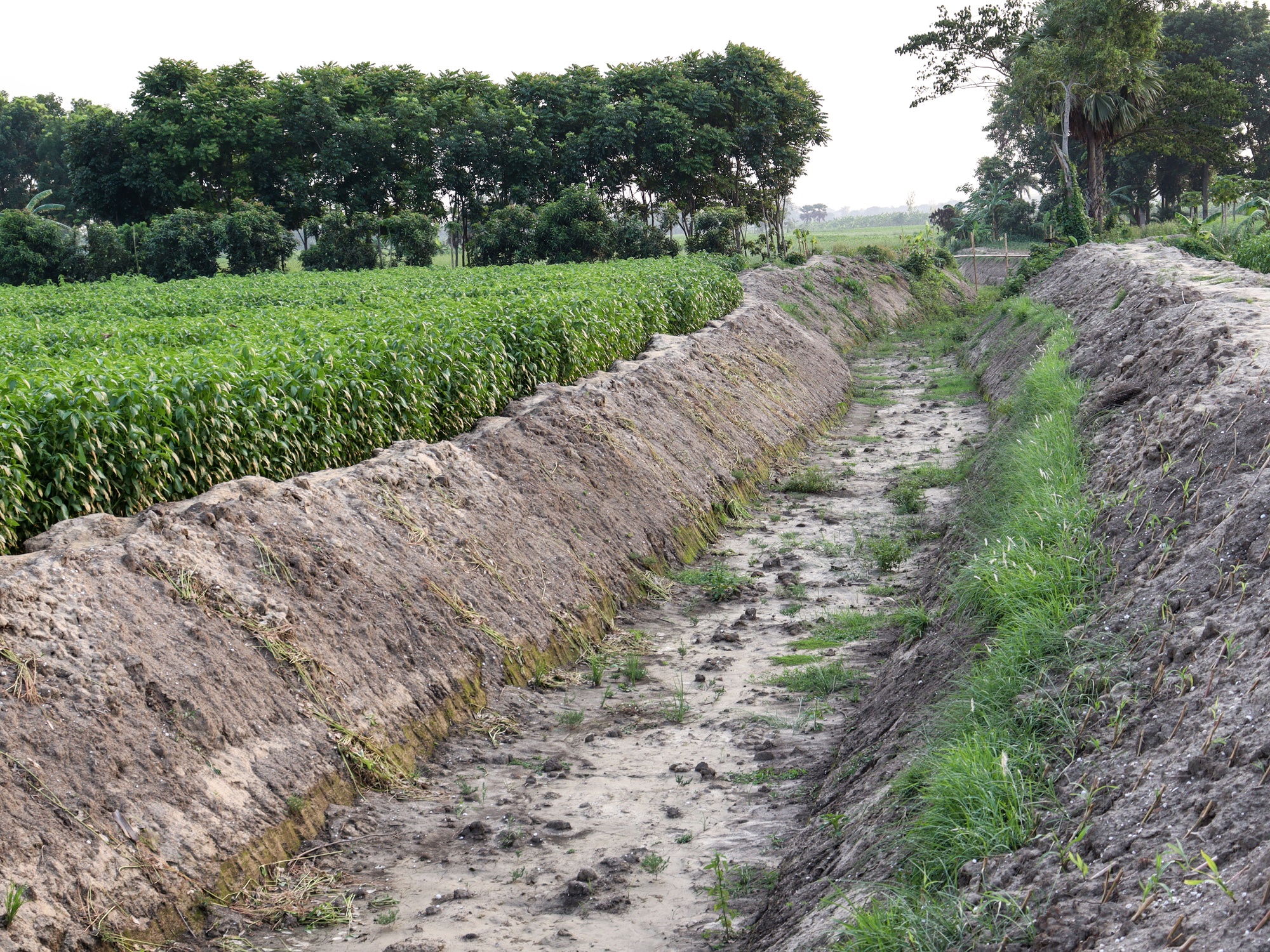
An irrigation ditch should move water where you want it, when you want it. When the liner starts to fail, the whole system becomes harder to manage. Water loss, soft banks, and rising maintenance often show up long before a full breakdown, so catching the signs early can save time, labor, and frustration.
A worn liner doesn’t always fail in one dramatic moment. In many cases, small changes build over time and turn a dependable ditch into a constant problem. If you’ve started noticing performance issues, the liner may sit at the center of them.
Water Loss
One of the clearest signs your irrigation ditch needs a new liner is unexplained water loss. If the ditch needs more frequent refilling or the water level drops faster than usual, the liner may have cracks, tears, or weak seams. Even a small breach can let a surprising amount of water escape over the course of a day.
Water loss also drives up costs and makes irrigation less predictable. If fields or landscaped areas no longer receive a steady flow, the ditch may no longer hold water the way it should.
Soft Spots and Erosion
A failing liner often leads to soggy ground around the ditch. When water leaks through damaged sections, nearby soil starts to soften, shift, or wash away. You may spot muddy patches, slumping edges, or areas where the bank no longer holds its shape.
These changes can spread quickly. Once erosion begins, it puts more pressure on the ditch structure and makes future repairs more difficult.
Visible Damage
Sometimes the problem sits right in front of you. Cracks, holes, wrinkles, and pulled seams usually point to an aging liner that can’t handle regular use or changing weather. Sun exposure, shifting soil, and debris can all wear down the material over time.
If you keep patching the same areas, that’s another strong clue. Repeated repairs often cost more in the long run than replacing the liner with a better fit for the ditch.
More Maintenance Than Usual
A ditch liner in good shape helps keep the whole system running smoothly. When you start spending more time clearing buildup, fixing leaks, or reshaping sections of the ditch, the liner may no longer do its job. At that point, routine upkeep turns into a constant chore.
Use this time to step back and choose the right liner for your irrigation ditch. A replacement should match your water flow, soil conditions, and long-term maintenance goals rather than serve as a quick fix.
Don’t Ignore the Early Signs
Small liner problems rarely stay small for long. If your irrigation ditch loses water, shows erosion, or demands more repairs every season, a new liner may be the smartest move. Replacing it at the right time can help restore steady flow, reduce wasted water, and make the whole system easier to manage.

Texas Outdoors
Latest posts by Texas Outdoors (see all)
- What To Check Before Spending a Day on Lake Travis – September 17, 2026
- Tips To Make Your Pickup Truck the Perfect Travel Vehicle – September 16, 2026
- The Best Winter Destinations for a Motorcycle Trip – September 14, 2026

Leave a Reply