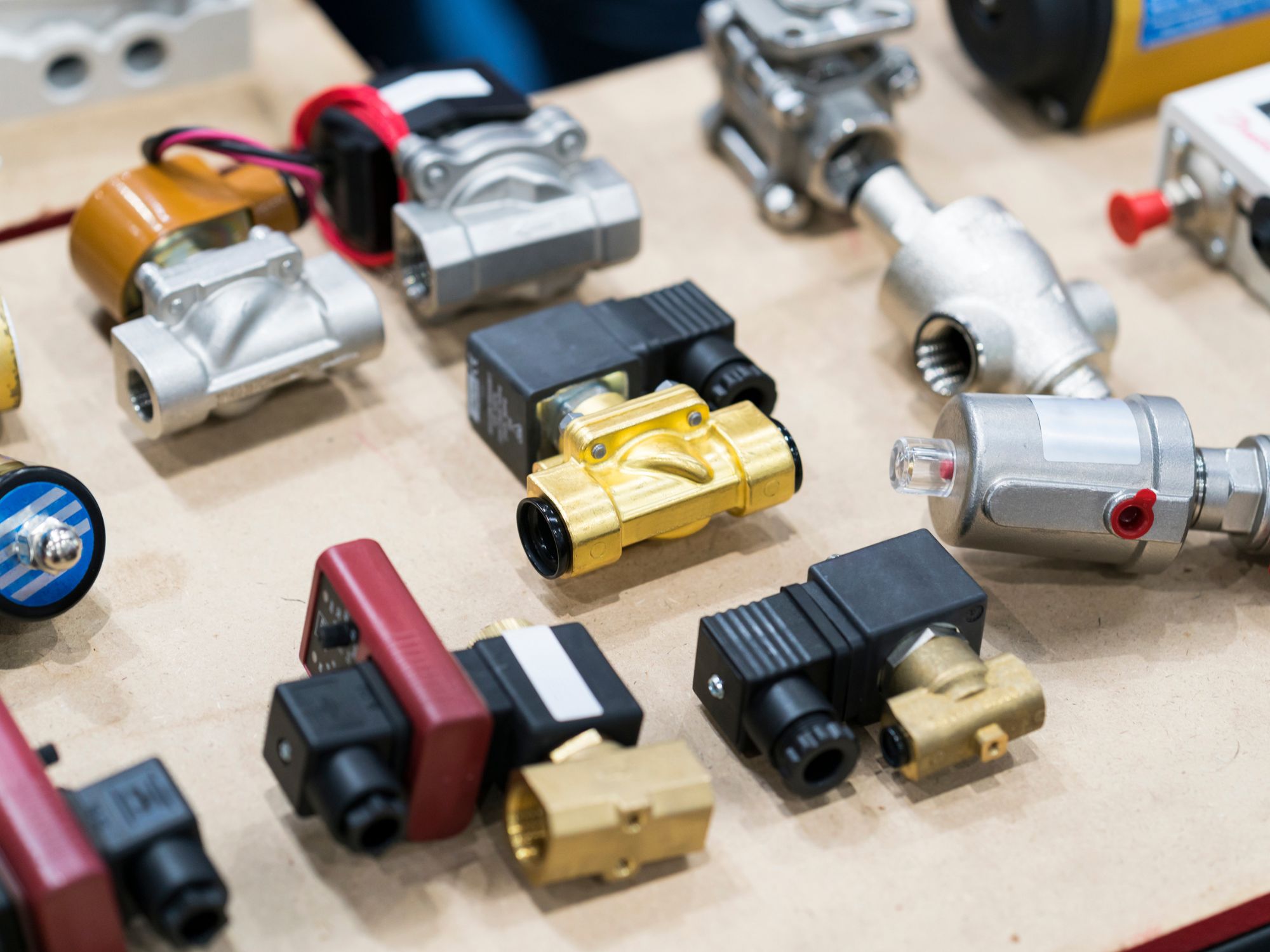
When installing solenoid valves, small details can make a big difference in how a system performs over time. Factors such as pressure, electrical setup, sizing, and environmental conditions directly impact reliability and efficiency. Here are several points to consider when installing solenoid valves to ensure you make the right choice.
Operating Pressure Range
Always review system pressure requirements before installation begins. Each valve operates within a specific pressure range, and exceeding or failing to meet those limits negatively impacts performance. Low pressure can prevent proper actuation, while excessive pressure can cause wear or long-term damage.
You also need to account for pressure fluctuations. If your system experiences frequent changes, choosing a valve with a wider operating range helps maintain reliability. When you confirm pressure compatibility upfront, you support more stable operation and reduce the likelihood of ongoing maintenance issues.
Type of Valve
When selecting a valve for your system, it’s important to understand how different designs function in real-world conditions. For example, pilot-operated and direct-acting solenoid valves are two popular but very different options. While direct-acting valves open and close without requiring system pressure, pilot-operated valves rely on pressure differentials to function.
Always choose the valve based on how your system operates day to day. Direct-acting valves work well in lower-operating systems because they maintain consistent actuation. On the other hand, pilot-operated valves perform well in high-pressure systems because they offer greater efficiency.
Voltage and Electrical Compatibility
When installing solenoid valves, you should also consider your current power supply system. Whether your system uses alternating current (AC) or direct current (DC) voltage, proper alignment prevents overheating and inconsistent performance. Electrical mismatches cause many valve failures, but you can usually avoid them with simple verification.
Key electrical checks include the following:
- Voltage rating (e.g., 24V DC, 120V AC)
- Frequency (for AC systems)
- Power consumption limits
- Proper wiring and insulation
Running these checks helps you ensure safe, consistent operation, makes installation smoother, and reduces long-term reliability issues.
Flow Rate and Sizing
You should size the valve based on your required flow rate and overall system demand. The Cv rating, which measures how much flow a valve can handle, should match your system’s actual requirements. If you choose a valve that’s too small, you’ll restrict flow and reduce performance, while an oversized valve can make it harder to maintain precise control.
By carefully evaluating flow requirements and matching Cv accordingly, you can maintain consistent performance and help your system run efficiently. Taking the time to get sizing right also reduces strain on components and helps prevent performance issues down the line.
Environmental and Media Compatibility
You need to evaluate the operating environment before completing installation. Moisture, temperature extremes, and corrosive substances can all shorten valve lifespan if you don’t account for them. Material selection plays a key role in preventing those issues.
For example, you might choose stainless steel in harsh or corrosive environments, while standard materials may work in less demanding conditions. When you match materials to both the environment and the media, you reduce the risk of leaks, degradation, and unexpected failure. A well-matched solenoid valve not only improves efficiency but also helps extend the life of your system and reduce maintenance over time.

Texas Outdoors
Latest posts by Texas Outdoors (see all)
- Why Your ATV Runs Worse After It Warms Up – October 5, 2026
- What To Check Before Spending a Day on Lake Travis – September 17, 2026
- Tips To Make Your Pickup Truck the Perfect Travel Vehicle – September 16, 2026

Leave a Reply