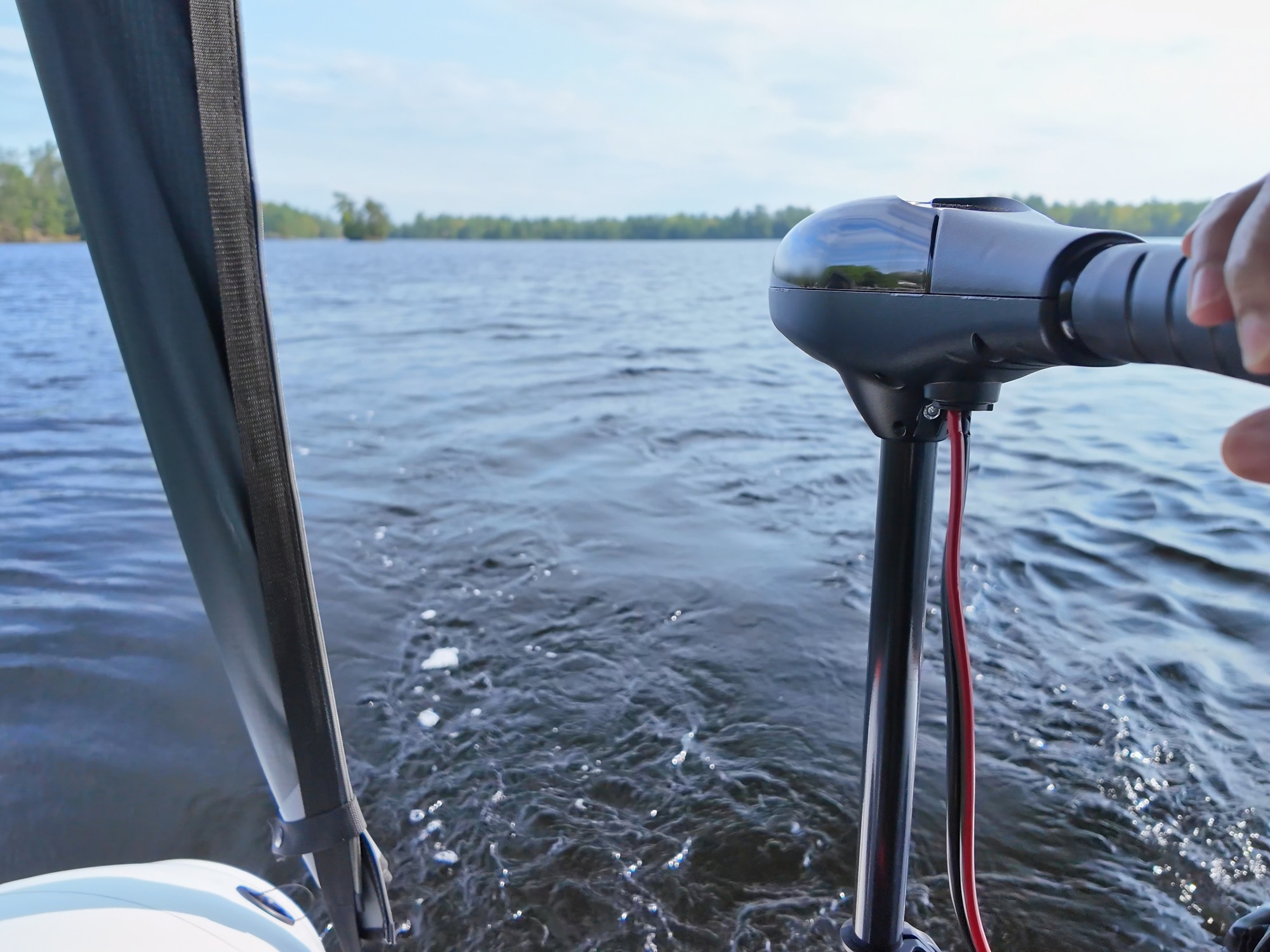
A good trolling motor can change the way you fish. It helps you move quietly, hold your position, and reach tight spots without disturbing the water. No matter where you fish, the right motor gives you more control and less frustration.
Before you buy one, think about your boat, your fishing style, and the conditions you face most often. A little planning now can help you choose the right trolling motor for your fishing boat that feels like a natural fit every time you launch.
Know Your Boat Size
Start with your boat’s length and weight. A small Jon boat doesn’t need the same power as a heavy bass boat or bay boat. If your motor lacks enough thrust, you’ll fight wind, current, and slow turns all day.
Thrust measures how much power the motor uses to move your boat. Larger boats need more thrust because they carry more weight and catch more wind. If you often fish in choppy water or strong current, choose extra power instead of cutting it close.
Pick the Right Mount
Trolling motors usually mount on the bow or transom. Bow-mounted motors give anglers better control because they pull the boat through the water. Many serious anglers prefer this setup because it helps with precise casting, shoreline fishing, and slow movement around structure.
Transom-mounted motors work well for smaller boats, casual fishing, and simple setups. They cost less in many cases and offer easy operation. If you fish from a canoe, inflatable boat, or small aluminum boat, a transom mount may make more sense.
Match the Shaft Length
Shaft length plays a big role in performance. If the shaft sits too high, the prop may come out of the water in waves. If the shaft sits too low, you may lose efficiency and create handling problems.
Measure from the mounting point to the waterline, then choose a shaft long enough to keep the prop submerged during normal fishing conditions. Boats with higher bows usually need longer shafts.
Think About Battery Power
Battery choice affects run time, weight, and reliability. Traditional lead-acid batteries can work, but many anglers now want lighter power with longer-lasting performance. A trolling motor is one useful application for a rechargeable lithium-ion battery because fishing often demands steady power over long hours.
Lithium options can reduce onboard weight and help your boat run more efficiently. They also make sense for anglers who fish often and want dependable power throughout the day.
Consider Smart Features
Modern trolling motors can do much more than move your boat. Some models offer GPS anchoring, route tracking, remote control, foot pedals, and fish finder integration. These features help you stay near a brush pile, follow a shoreline, or hold position over a productive spot.
You don’t need every feature on the market. Focus on the tools that match how you fish. If you like precision, GPS anchoring may become your favorite upgrade. If you prefer simple controls, choose a model with fewer extras and strong basic performance.
Make the Right Choice
The right trolling motor should fit your boat and your fishing habits. Look at thrust, mount style, shaft length, battery setup, and useful features before you decide.
When you choose wisely, your trolling motor helps you fish longer, move quietly, and stay in control. That means more time casting, less time fighting your boat, and a better day on the water.

Texas Outdoors
Latest posts by Texas Outdoors (see all)
- What To Check Before Spending a Day on Lake Travis – September 17, 2026
- Tips To Make Your Pickup Truck the Perfect Travel Vehicle – September 16, 2026
- The Best Winter Destinations for a Motorcycle Trip – September 14, 2026

Leave a Reply