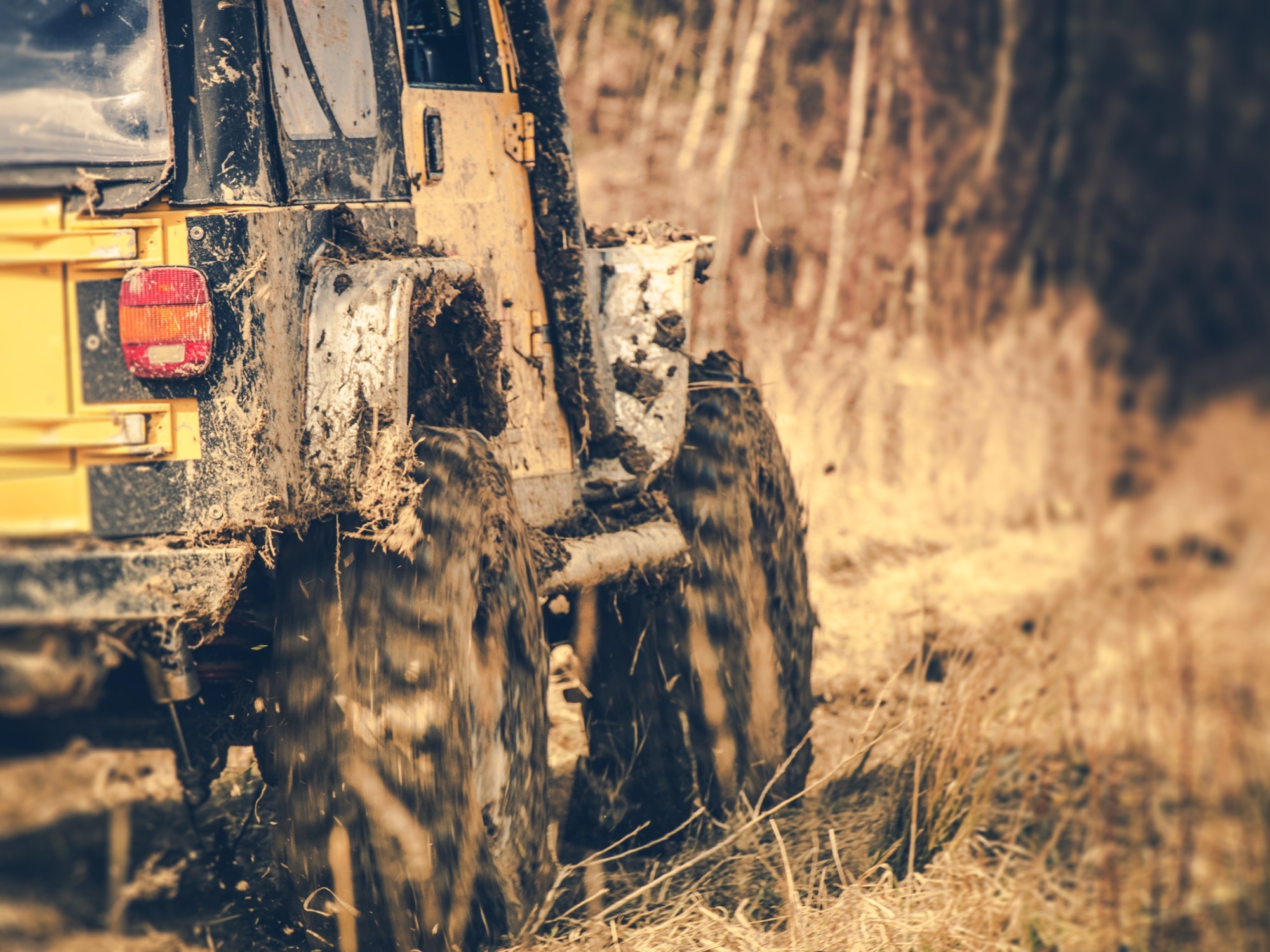
Off-road adventures offer a chance to leave paved roads behind and experience landscapes that are difficult to reach by conventional vehicles. Whether the trip involves an ATV, UTV, dirt bike, or another capable vehicle, heading into remote terrain brings challenges that are easy to underestimate. Mechanical problems, changing weather, navigation errors, and poor preparation can turn an enjoyable trip into a frustrating or potentially dangerous situation. Understanding common mistakes that can ruin an off-road adventure helps riders prepare for the realities of the trail rather than assuming everything will go according to plan.
Underestimating the Difficulty of the Trail
A trail that looks manageable on a map or in photographs may be considerably more difficult in person. Steep grades, loose rocks, deep mud, water crossings, sand, fallen trees, and narrow sections can dramatically change the experience. Recent storms or heavy trail traffic can also make familiar routes more challenging than expected.
Before leaving, riders should research current trail conditions rather than relying entirely on older descriptions. Difficulty ratings provide a useful starting point, but they cannot account for every rider’s experience or every vehicle’s capabilities. Choosing a route that matches the skill level of the least experienced person in the group can prevent unnecessary risks.
It is also important to consider how terrain changes over the course of a long ride. A rider may comfortably handle a technical section early in the morning but find the same type of obstacle much harder after several hours of physical and mental fatigue.
Skipping a Thorough Vehicle Inspection
Mechanical reliability matters on any trip, but it becomes particularly important when traveling miles away from paved roads and repair facilities. A small maintenance issue that would be inconvenient around town can leave riders stranded in remote terrain.
Before a trip, owners should inspect tires, brakes, fluids, belts, batteries, suspension components, lights, and other critical systems. Tire pressure deserves particular attention because improper pressure can affect both traction and handling. Riders should also check for loose fasteners and signs of leaks or unusual wear.
Routine maintenance should not be postponed simply because the vehicle seems to be running normally. Preventive work is much easier to manage at home than on the side of an isolated trail.
Bringing Too Much or Too Little Gear
Packing for an off-road trip requires balance. Bringing too little can leave riders without essential supplies, while carrying excessive equipment adds weight and makes important items harder to find. The challenge becomes greater on trips lasting several days because riders must account for food, water, clothing, tools, emergency supplies, and potentially camping equipment.
Packing should reflect the specific trip rather than a generic checklist. Someone planning several days on an ATV, for example, has different storage limitations and needs than someone traveling in a larger UTV. Thinking through what to pack for a multi-day ATV trail adventure can help riders distinguish between items that serve a practical purpose and equipment that simply occupies limited cargo space.
Weight distribution matters as well. Poorly secured or unevenly distributed cargo can affect handling, particularly on steep or uneven terrain. Everything should be secured so that it cannot shift, fall from the vehicle, or interfere with controls.
Failing to Plan for Navigation Problems
Cell phones have made navigation easier, but relying exclusively on cellular service can be a serious mistake in remote areas. Trail systems often extend through forests, mountains, deserts, and other regions where coverage is inconsistent or nonexistent.
Riders should download maps before leaving areas with reliable service and consider carrying an additional navigation option. Dedicated GPS devices, printed trail maps, or both can provide useful backups. Knowing how to read those maps is just as important as carrying them.
Routes should also be reviewed before departure so riders have a general understanding of major intersections, landmarks, fuel stops, and exit points. Navigation becomes much more difficult when someone first looks at the route after realizing they are already lost.
Riding Beyond Your Experience Level
Confidence is valuable off-road, but overconfidence can lead riders into situations they are not prepared to handle—difficult terrain requires judgment as much as technical ability. Riders need to recognize when an obstacle exceeds their experience and when another route is the smarter choice.
Pressure from other riders can make this decision harder. A more experienced member of the group may comfortably navigate a steep climb or difficult crossing that presents a much greater challenge for a beginner. Each rider should make decisions based on personal ability rather than feeling obligated to keep pace.
Developing off-road skills gradually gives riders experience with different surfaces and obstacles without introducing unnecessary risk. There will always be another opportunity to attempt a more difficult trail.
Treating Safety Equipment as Optional
Helmets, eye protection, gloves, sturdy footwear, and appropriate clothing serve practical purposes even on trails that appear relatively easy. Unexpected bumps, branches, debris, rollovers, and sudden changes in terrain can occur without warning.
Safety equipment should match the vehicle, environment, and type of riding. A first-aid kit should also be readily accessible rather than buried beneath other cargo. Riders should know how to use the supplies they carry instead of assuming the kit itself is sufficient preparation.
Vehicle-specific safety features matter as well. Seat belts, doors, nets, and other protective systems should be used as intended whenever they are equipped on the machine.
Letting Small Mistakes Become Big Problems
Many common mistakes that can ruin an off-road adventure are not dramatic decisions. They are small oversights that become more serious because riders are far from fuel, repairs, shelter, or immediate assistance. A forgotten tool, questionable tire, missed turn, or late departure may seem insignificant until several other complications occur at the same time.
Preparation cannot eliminate every unexpected event, and unpredictability is part of what makes off-road travel appealing. The goal is to create enough flexibility and redundancy that a minor setback remains manageable. A reliable vehicle, realistic route, appropriate supplies, navigation plan, and willingness to change course give riders more room to respond when conditions differ from expectations.
Successful off-road adventures are rarely the result of simply choosing an exciting trail and hoping for the best. They come from understanding the environment, respecting personal and mechanical limitations, and preparing for problems before they happen. With thoughtful planning, riders can spend less time dealing with preventable setbacks and more time enjoying the places that made the trip worthwhile.

Texas Outdoors
Latest posts by Texas Outdoors (see all)
- What To Check Before Spending a Day on Lake Travis – September 17, 2026
- Tips To Make Your Pickup Truck the Perfect Travel Vehicle – September 16, 2026
- The Best Winter Destinations for a Motorcycle Trip – September 14, 2026

Leave a Reply