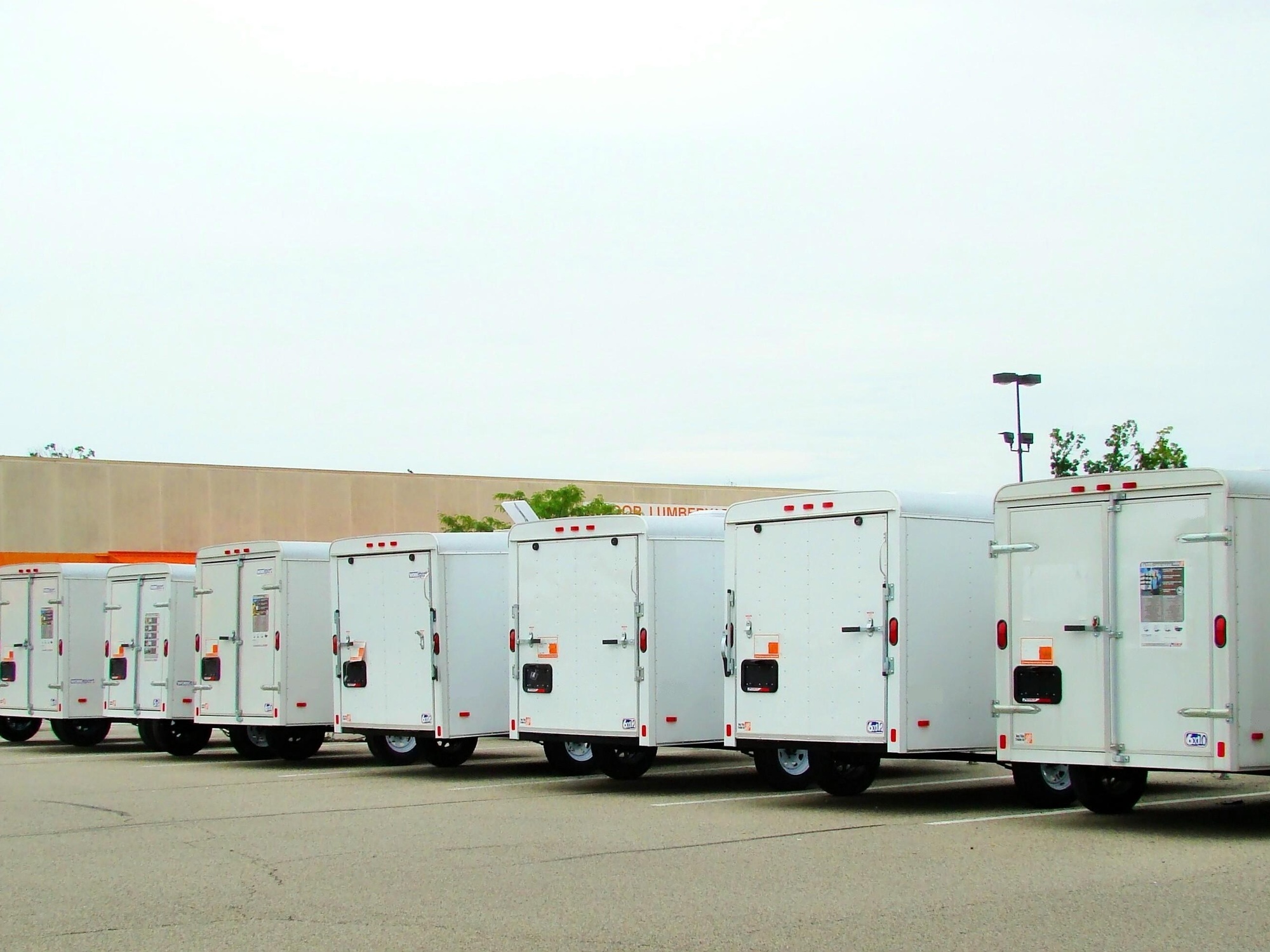
Most trailer regret traces back to a few fixable mistakes. Buyers and transportation professionals often buy too small, confuse GVWR with payload, mismatch the trailer to the tow vehicle, or chase the lowest price over build quality. Learning from these common mistakes that lead to trailer regret can better support hauling demands.
What Are the Most Common Regrets After Buying a Trailer?
Buying too small tops the list of mistakes to avoid. Dealers see folks trade up constantly, but almost never see them size down. Here’s where most Texan buyers get burned:
- Buying too small so that the deck fills up faster than expected
- Misreading weight ratings and causing the trailer to struggle on hauls
- Matching the trailer to just one job, such as bass boat today or side-by-side and deer camp gear next season
- Skipping the tow-vehicle math and not ensuring the truck can handle the loaded trailer
- Chasing the cheapest sticker, then paying it back in axle and frame repairs
Underestimating How GVWR Plays a Role
GVWR is the maximum the trailer can weigh fully loaded. Payload is what’s left for your gear.
A simplified version of the math is as follows:
- GVWR: Maximum loaded weight, including the trailer’s own weight
- Payload: GVWR minus the trailer’s empty weight
- Example: A 7,000 lb. GVWR trailer that weighs 2,000 lb. empty hauls only 5,000 lb. of gear
The sticker number is not how much you can haul, which trips up buyers more than anything else.
Misjudging if Your Truck Can Tow the Trailer
Three numbers must line up: tow rating, payload rating, and hitch class. Tongue weight is the downward force on the hitch and counts against payload, not just the tow rating. A half-ton like an F-150 tows roughly 5,000–13,000 lb., depending on package. It’s helpful to check the doorjamb sticker for a more accurate measurement.
It’s important to measure your trailer needs before you buy one to support not only your investment but also the trailer’s lifespan.
Buying a Bigger Trailer Than You Actually Need
Sizing up now is cheaper than trading up later. Adjust your plans to accommodate a second ATV, a bigger boat, or more livestock, leaving payload headroom so that you’re not maxed out every trip.
Forgoing Proper Trailer Inspection Before Buying
Gulf Coast salt air and ranch roads chew through used trailers fast. You’ll want to inspect the trailer in person, since photos often camouflage structural damage.
Use this checklist as a starting point and look for the following issues:
- Frame and crossmembers: Rust, cracks, or sloppy welds
- Decking: Soft spots, rot, or thin flexing boards
- Wheel bearings, tires, and brakes: Wear and age
- Lights, wiring, and coupler: Corrosion
Mistakes happen when you make a large trailer investment. But learning from these regrets can steer you in the right direction.

Texas Outdoors
Latest posts by Texas Outdoors (see all)
- What To Check Before Spending a Day on Lake Travis – September 17, 2026
- Tips To Make Your Pickup Truck the Perfect Travel Vehicle – September 16, 2026
- The Best Winter Destinations for a Motorcycle Trip – September 14, 2026

Leave a Reply