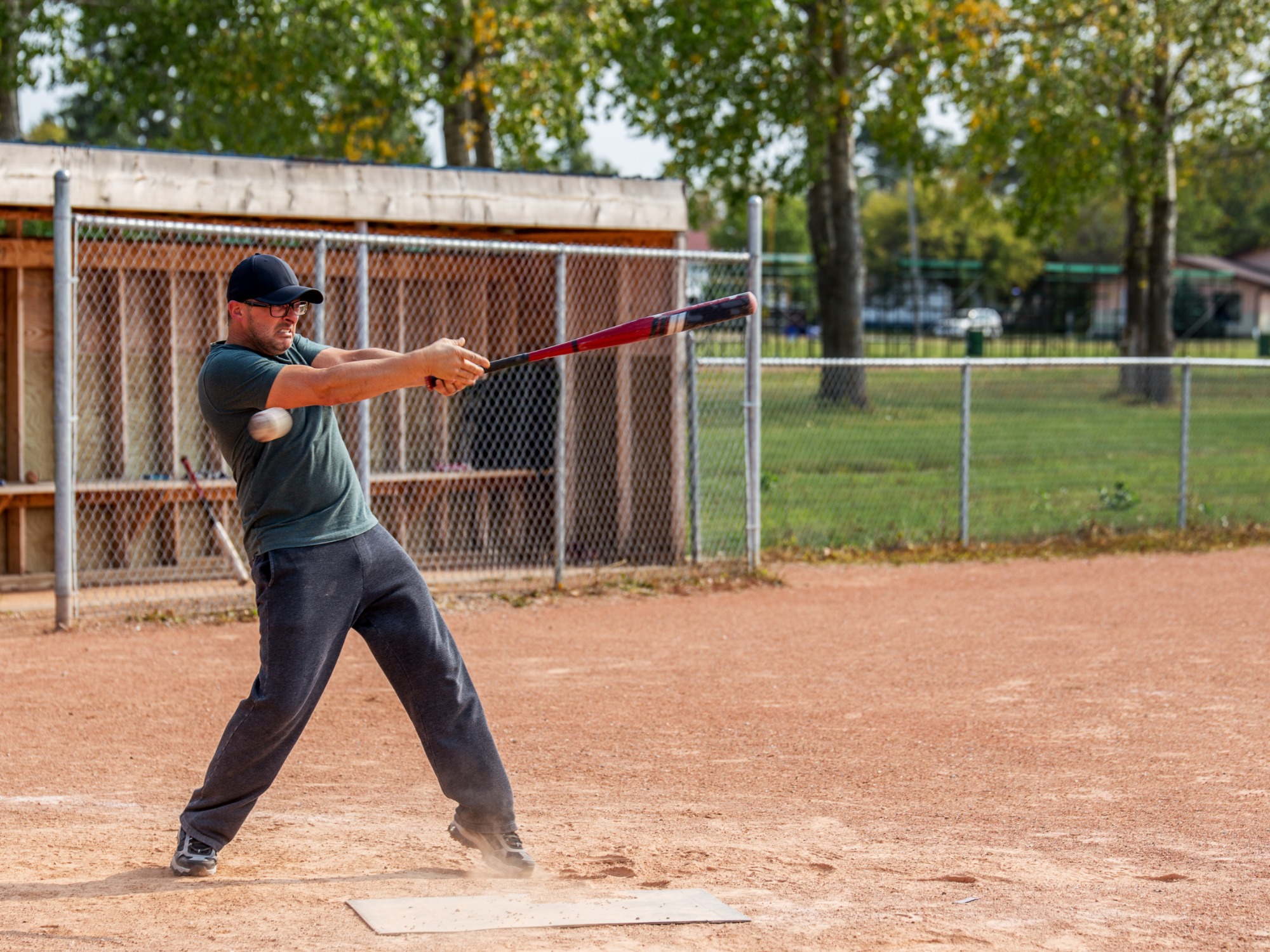
Spend enough time around ballfields in Texas, and you’ll hear plenty of debates—aluminum vs. wood, power hitters vs. contact hitters, and the classic argument about end-loaded vs balanced baseball bats. Step into the batter’s box with two different bats, and you’ll notice the difference immediately. One swings heavy through the barrel, while another cuts through the zone smoothly and quickly. That feeling comes from how manufacturers distribute weight along the bat, and that design choice directly affects swing speed, control, and power.
What Is an End-Loaded Bat?
An end-loaded bat places more mass toward the barrel. That extra weight out front increases momentum during the swing and often produces harder contact when the hitter times the swing correctly. Picture swinging an axe. Once the barrel starts moving, it carries force straight through the ball.
Certain hitters naturally gravitate toward end-loaded bats. This style usually fits players who want to emphasize power at the plate, but the heavier barrel can slow down a swing if the hitter struggles to control the added weight. End-loaded bats work best for:
- Strong hitters who handle heavier barrels
- Players with consistent swing mechanics
- Sluggers who want maximum pop
What Is a Balanced Bat?
Balanced bats spread weight evenly from the handle to the barrel. That design creates a lighter swing feel and allows the hitter to move the bat through the zone more quickly. Many players prefer this design because it improves control and helps generate faster swing speed. These bats often suit:
- Contact hitters who prioritize solid hits
- Players with naturally fast swings
- Anyone who wants more control through the zone
Balanced bats typically attract hitters who value consistency and quick reactions. Players who still refine their mechanics also benefit from the smoother swing feel of balanced bats.
How Bat Construction Can Influence Balance
Manufacturers design bats with a specific balance profile, but other factors can also influence how a bat feels during a swing. Barrel thickness, internal structure, and certain modifications can shift weight distribution and change performance characteristics.
For example, some players use bat-shaving services because the process removes material from inside the barrel. That change can alter how weight sits along the bat and slightly affect its swing feel.
Choosing What Works for You
The debate around end-loaded vs balanced baseball bats rarely produces a single correct answer. Your swing style, strength, and comfort level should guide the decision.
Most experienced players test both styles during batting practice before settling on a favorite. A few general guidelines can help narrow the options. When comparing bat styles, consider the following:
- End-loaded bats often help power hitters drive the ball deeper
- Balanced bats allow quicker swing speeds
- Comfort and control usually outweigh raw power numbers
The Texas Ballfield Test
Step onto a Texas ballfield and you’ll find the real answer quickly. Grab a couple of bats, take a few cuts, and pay attention to how each swing feels. The right bat should move naturally through your hands and deliver solid contact when you square up the ball.
Whether you chase a home run or shoot a line drive into the gap, the right bat will make itself obvious. And when the sweet spot connects under a big Texas sky, that sound tells you everything you need to know.

Texas Outdoors
Latest posts by Texas Outdoors (see all)
- Common Winter Beekeeping Issues and How to Prepare – October 13, 2026
- Why Heavy Towing Changes How Your Truck Performs – October 12, 2026
- The Best Shoes for Spending Rainy Days Outdoors – October 9, 2026

Leave a Reply