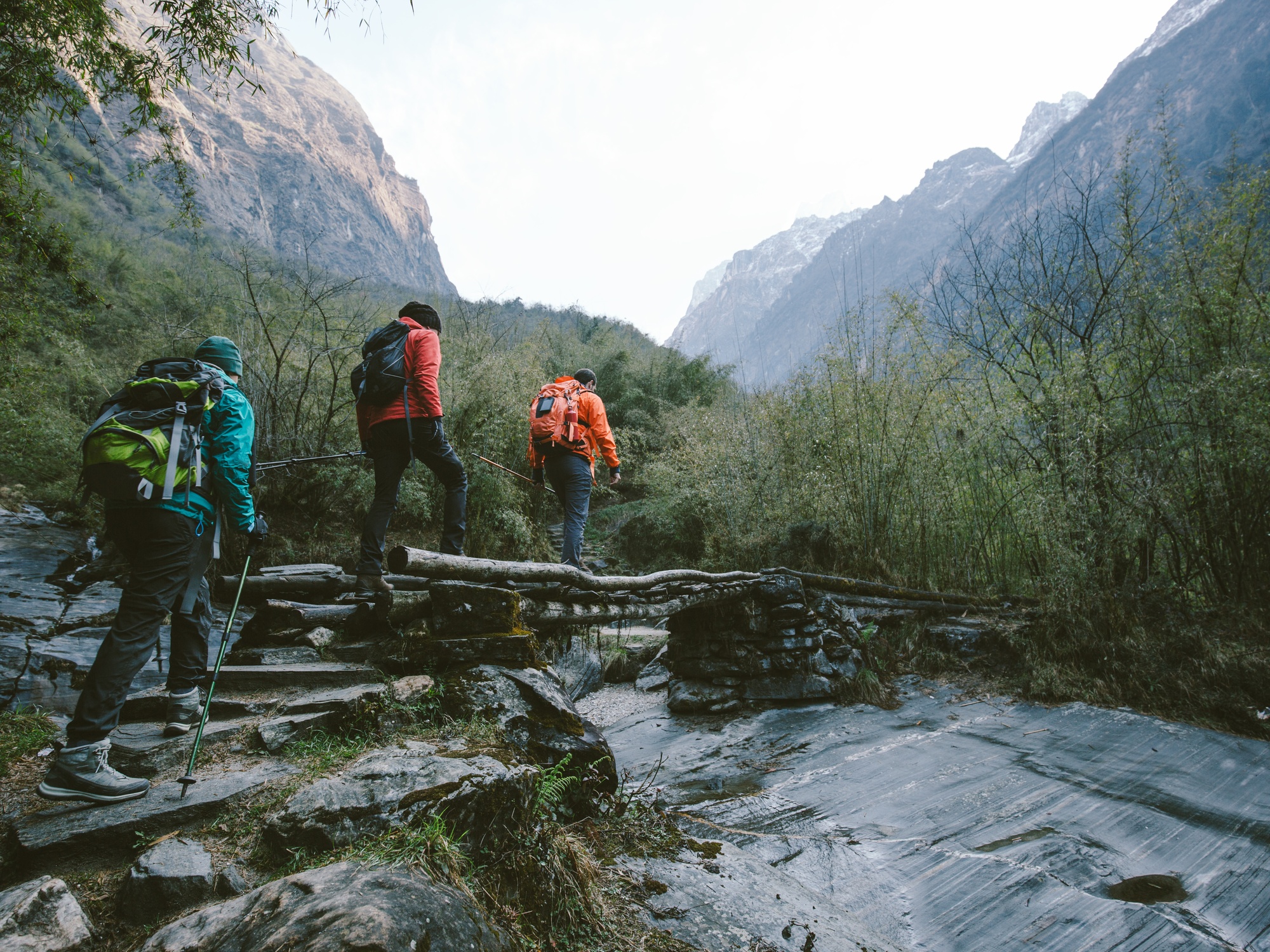
Texas gives outdoorsmen plenty of room to roam. One weekend might mean chasing bass on a quiet reservoir, while the next could involve hiking trails, setting up deer camp, or launching a kayak along the Gulf Coast.
That variety is part of the fun, but the outdoors has a way of reminding folks who’s boss. Weather changes, equipment breaks, people get hurt, and cell service has an uncanny habit of disappearing exactly when it would be useful.
Learning the essential safety skills every outdoor adventurer should know isn’t about expecting disaster around every bend. It’s about being capable enough to handle small problems before they turn into big ones.
Know How To Navigate Without Your Phone
Phones and GPS units make navigation considerably easier, but batteries die, screens break, and reception isn’t guaranteed. Anyone heading into unfamiliar country should understand basic map and compass navigation; that includes identifying landmarks, maintaining a sense of direction, estimating distance traveled, and recognizing when the route has drifted off course.
Before heading out, study the area rather than waiting until you’re lost to look at the map. Note trail intersections, waterways, roads, campsites, boat ramps, and other obvious reference points. Offline maps can provide another useful backup, provided they’re downloaded beforehand.
Learn To Read the Weather
Texas weather doesn’t always give advance notice. Outdoor adventurers should know how to recognize signs of changing conditions, particularly thunderstorms, dangerous heat, strong winds, and sudden temperature drops. Boaters, anglers, and paddlers need to be especially cautious because deteriorating weather can quickly make open water dangerous.
Check the forecast before leaving, but don’t treat it as a guarantee. Continue watching the sky and conditions throughout the day. Darkening clouds, increasing wind, distant thunder, or an abrupt temperature change can all provide reasons to reconsider the day’s plans.
Heat deserves particular respect. Knowing the warning signs of heat exhaustion, including heavy sweating, weakness, dizziness, headache, and nausea, can help someone recognize trouble before it becomes a more serious emergency.
Know Basic First Aid and CPR
A first-aid kit belongs in every truck, boat, hunting camp, and hiking pack. Knowing what to do with its contents matters even more.
Outdoor enthusiasts should be prepared to handle common problems such as cuts, burns, sprains, insect bites, and minor bleeding. They should also understand when an injury is serious enough that the trip needs to end.
Recognizing the role of CPR in wilderness first aid and preparednessis crucialbecause cardiac arrest can happen anywhere. Remote locations make preparedness particularly important because professional medical assistance may take considerably longer to arrive. Hands-on first-aid and CPR training can provide something a packed medical kit can’t: practice making decisions and performing emergency skills under pressure.
Know What To Do When Someone Gets Separated
Getting separated from a group can turn an otherwise ordinary outing into a serious situation. Hunters moving through thick cover, hikers traveling at different speeds, or campers exploring unfamiliar terrain can lose sight of one another surprisingly quickly.
Before setting out, establish a simple separation plan. Pick obvious meeting points, make sure everyone knows the intended route, and agree on what to do if someone goes missing. Whistles are lightweight and the sound can carry farther than shouting, making them a useful addition to personal gear.
If you’re the one who becomes lost, pushing ahead can make matters worse. Stop, assess your surroundings, consult your navigation tools, and consider whether staying in a safe, visible location would make it easier for others to find you.
Understand Fire Safety
A campfire is hard to beat after a long day outdoors, but only when conditions make one appropriate. Know the rules and restrictions for wherever you’re camping. Clear combustible material from around the fire, keep water or another extinguishing method close by, and never leave flames unattended.
Before breaking camp, extinguish the fire completely. Pour water over the coals, stir them, add more water, and confirm everything is cold before leaving. During dry or windy conditions, the safest campfire may be no campfire at all.
Carry Enough Water and Know How To Find More
Dehydration can sneak up quickly, especially during hot Texas summers. Carry more drinking water than you expect to need and account for unexpected delays.
For longer or remote trips, adventurers should also understand water treatment. Natural water can contain microorganisms that aren’t visible to the naked eye, so clear-looking creek water shouldn’t automatically be considered safe. Filters, purification systems, and appropriate chemical treatments offer options depending on the trip. Knowing where reliable water sources are located should be part of route planning, not an improvisation after the bottles run dry.
Dress for More Than the Forecast
A sunny morning doesn’t necessarily mean conditions will stay comfortable until sundown. Clothing should provide some flexibility for temperature changes, precipitation, wind, and the amount of physical activity involved.
Layering makes it easier to adjust as conditions change. Sun protection is equally important on exposed trails and open water, while rain protection can prevent an uncomfortable situation from becoming a dangerous one when temperatures fall.
Footwear deserves attention, too. Shoes or boots should suit the terrain and be broken in before a long outing. Few things can turn a promising hike into a slow-motion march back to the truck quite like discovering two miles in that your new boots have taken issue with your heels.
Have a Plan for Getting Help
One of the simplest safety habits is also among the easiest to overlook: tell somebody where you’re going. Leave a trip plan with a reliable person who isn’t coming along. Include the destination, planned route, vehicle information, members of the group, and expected return time. Most importantly, establish when that person should contact authorities if the group hasn’t checked in.
In remote areas, consider carrying an appropriate emergency communication device rather than relying entirely on cellular coverage. If something does go wrong, staying calm matters. Assess the situation, address immediate threats, determine whether moving is safe, and establish the best method of contacting rescuers.
Practice Before You Need the Skills
Reading about outdoor safety is useful; practicing it is better. Navigation can be practiced on an easy local trail. First-aid knowledge can be refreshed before hunting season, and emergency equipment can be tested at home. Families and hunting buddies can discuss what everyone should do if somebody becomes separated, injured, or unable to communicate.
It also pays to occasionally inspect the gear that’s supposed to save the day. Replace expired first-aid supplies, check flashlight batteries, test communication equipment, and make sure emergency items haven’t disappeared into another tackle box or hunting pack since the last trip.
The essential safety skills every outdoor adventurer should know aren’t reserved for survivalists disappearing into the backcountry for weeks. They’re practical abilities for regular hunters, anglers, campers, hikers, boaters, and paddlers. Good preparation doesn’t take the adventure out of the outdoors. It helps make sure everybody gets home with a story worth telling.

Texas Outdoors
Latest posts by Texas Outdoors (see all)
- What To Check Before Spending a Day on Lake Travis – September 17, 2026
- Tips To Make Your Pickup Truck the Perfect Travel Vehicle – September 16, 2026
- The Best Winter Destinations for a Motorcycle Trip – September 14, 2026

Leave a Reply