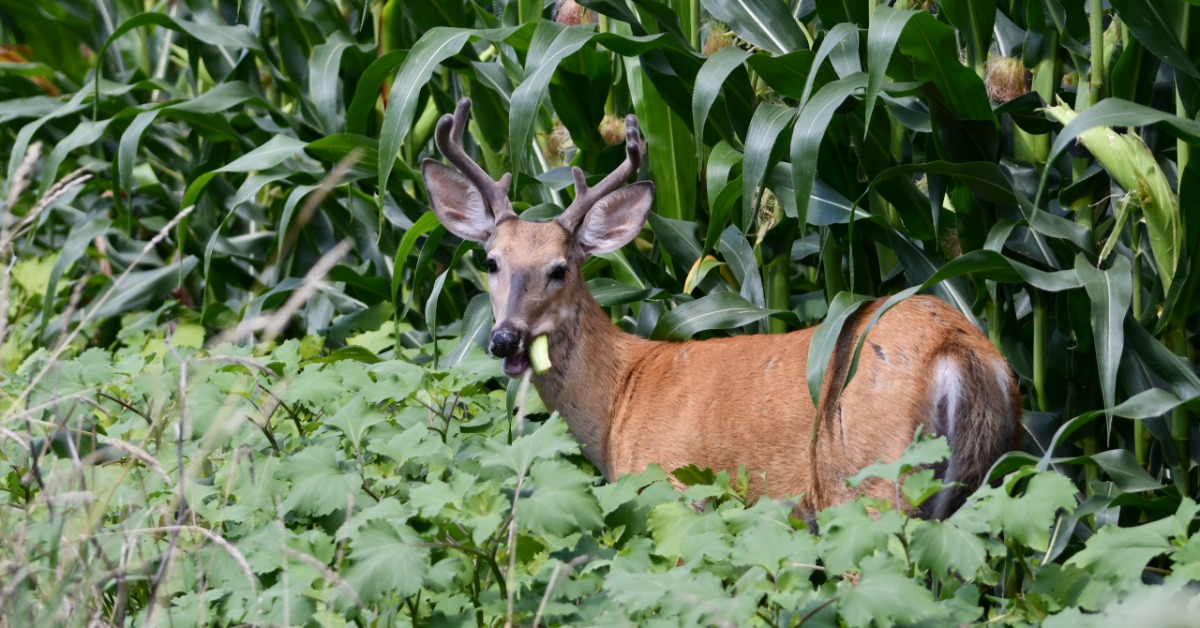
Good land stewardship doesn’t ask farms to stop producing. Instead, thoughtful farming practices that protect Texas fish and game keep productive acres working alongside clean water and useful habitat. Across Texas, small choices on cultivated ground shape what happens beyond the turnrow.
Make Sure There’s Soil on the Field
Texas rain doesn’t arrive politely. A hard downpour moves exposed soil toward ditches or creeks, especially on sloped ground with little plant cover. Once sediment reaches surface water, it clouds habitat and settles in places used by aquatic life.
Crop residue and conservation tillage keep ground covered between planting cycles. Grassed waterways slow runoff in spots where water naturally gathers. Those practices protect productive topsoil and cut the amount of loose sediment headed toward nearby water. Keeping dirt where it belongs is good farming, and anglers downstream won’t complain either.
Protect Creeks With Vegetated Buffers
A strip of vegetation beside a creek may resemble unused ground to somebody focused only on acreage. To wildlife, the same strip provides travel cover and food near a dependable water source. Native plants slow runoff before it reaches the channel.
Healthy streamside buffers reduce erosion and support wildlife habitat. Leaving native grasses or shrubs along waterways lets runoff lose speed before crossing the bank. Vegetation also shades parts of the stream and protects the shoreline from repeated water movement. A little wild ground beside the creek pays its rent in several ways.
Keep Living Roots in the Soil
Bare ground has little defense against pounding rain or strong Texas winds. Cover crops keep roots in the soil between cash crops, so the surface retains protection when weather turns rough. Their roots hold the soil in place and improve the way water seeps into the ground.
Aboveground growth brings another benefit near wildlife habitat. Vegetation adds structure across fields after harvest while providing food or cover around selected margins. Plant roots also support soil structure beneath the surface, keeping the ground ready to absorb the next round of rain. A farm doesn’t have to resemble a wildlife refuge to contribute useful habitat across a working landscape.
Leave Field Edges for Game
Perfectly clean field borders may please the eye, yet quail and other game see value in a little untidiness. Grasses and low vegetation along edges provide escape cover near feeding areas.
Leaving selected edges undisturbed creates valuable transitions between crops and native cover. Those transition zones support insects and seeds used by quail as well as provide movement routes across open ground. On a property dominated by cultivated acres, a narrow strip of cover may become the place where birds feed or slip out of sight when a hawk circles overhead.
Manage Grazing With the Habitat in Mind
Livestock and wildlife share many properties, so grazing decisions shape the same ground used by deer or quail. Heavy grazing thins protective vegetation and exposes soil. Balanced grazing leaves enough plant growth to protect the surface and maintain useful cover.
Rotating grazing pressure prevents one pasture from taking the whole beating and gives vegetation room to recover. Healthy grass stands support ranch operations alongside nesting or bedding cover across parts of the property. With good grazing management, there’s still food on the plate after the cattle finish eating.
Use Smart Irrigation Strategies
Irrigation water belongs in the root zone, not racing across a field toward the nearest ditch. Excess water raises the chance of runoff and soil movement once the ground reaches its intake limit. Careful scheduling makes each irrigation event work hard on the acres receiving moisture.
Smart controls add useful information by tracking field conditions and watering activity. Farmers interested in the connection between precise watering and soil conditions can explore the impact of smart irrigation on soil health and moisture. The wildlife angle is straightforward: keeping excess water on the field leaves less opportunity for sediment to head downstream. That protects the same creeks and ponds anglers count on after planting season.
Avoid Adding Nutrients to the Water
Fertilizer belongs where crops need it. Rainfall or irrigation carries excess nutrients beyond a field when application timing leaves material exposed before a runoff event. Once those nutrients reach ponds or streams, they encourage algae growth and poor water conditions.
Soil testing gives producers a sound basis for nutrient decisions. Careful timing limits the amount sitting near the surface ahead of heavy rain. Crop uptake should drive application decisions whenever possible, especially near drainage routes connected to surface water. The goal isn’t complicated: feed the crop without sending part of the fertilizer bill toward somebody’s bass pond.
Control Pesticide Drift and Runoff
Pesticides serve a purpose on many farms, yet application deserves extra care near water and wildlife cover. Spray drift moves material beyond the intended field under unfavorable conditions, and runoff carries residues toward streams. Following label directions remains the foundation of responsible pesticide use.
Weather deserves attention as well, especially wind or incoming rain. Applicators can protect drainage areas by choosing conditions that keep products on the target crop. Care around field edges protects aquatic habitat and vegetation used by game. Nobody wants a treatment meant for one patch wandering into the creek next door.
Protect Farm Ponds as Habitat
A farm pond may water livestock or support irrigation, yet it can pull double duty as fish habitat. Water quality depends partly on what drains into the pond from surrounding ground. Eroding banks and nutrient-heavy runoff change pond conditions in a hurry.
Vegetated shorelines hold soil near the bank and filter runoff moving downslope. Livestock access deserves management where repeated trampling damages the shoreline or stirs shallow water. Drainage from nearby fields also deserves attention because the pond collects what moves downhill. A pond with stable banks and sound water quality has a solid shot at supporting the fish somebody hopes to catch after chores.
Maintain Wildlife-Friendly Grounds
Farms and ranches don’t have to choose between production and wildlife stewardship. The strongest practices that protect Texas fish and game focus on grounding the soil and keeping unwanted substances away from water.
Clean creeks and covered soil reflect decisions made acre by acre across working land. Treat the land right, and it has a fair chance to return the favor next season.

Texas Outdoors
Latest posts by Texas Outdoors (see all)
- Why Your ATV Runs Worse After It Warms Up – October 5, 2026
- What To Check Before Spending a Day on Lake Travis – September 17, 2026
- Tips To Make Your Pickup Truck the Perfect Travel Vehicle – September 16, 2026

Leave a Reply