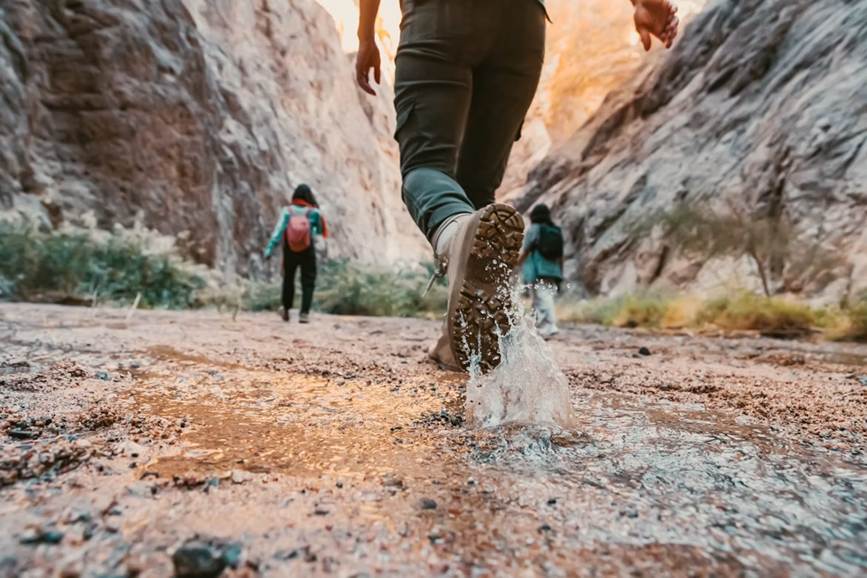
Sometimes, life throws you curveballs. That simple fact is especially true for those who spend a lot of time in the great-but-unpredictable outdoors. From sudden downpours to accidental detours, you never know what the day has in store.
While the best adventures naturally come with twists and turns, being prepared is the key to turning potential disasters into unforgettable memories. It’s impossible to expect the unexpected, but there are steps you can take today to be ready tomorrow.
Prepping often focuses on dire emergency scenarios. However, there are degrees to consider. It’s not always about life-or-death survival. Even light prepping can drastically improve your comfort and safety when things go awry, rather than downright catastrophic.
Whether you’re hiking, boating, cycling, or even just attending a local festival, follow these tips to reduce risk and enjoy the experience to the fullest.
Pack Backups of Your Essentials
In the survival community we have a saying: “Two is one, and one is none.” In other words, don’t depend on just one item if it’s critical to your survival. That general concept applies to basic planning and prepping for ordinary days outdoors, too.
For example, let’s say you’re going off-roading, hiking, or even horseback hunting in an unfamiliar location. There’s no guarantee your phone will be a reliable source for navigation and information. Printing hard copies of maps and guides ensures that you don’t run into problems.
It’s a very simple concept, but it makes a major difference. Even if you don’t end up needing your backups, you’ll be able to enjoy the peace of mind that comes with knowing you’re prepared.
Furthermore, try to keep your backups distinct. In other words, if you’re planning to make a campfire, don’t just bring a book of matches; bring lighters and a ferro rod, too. If one option fails, you have secondary and tertiary backups.
Don’t Dress for the Immediate Weather
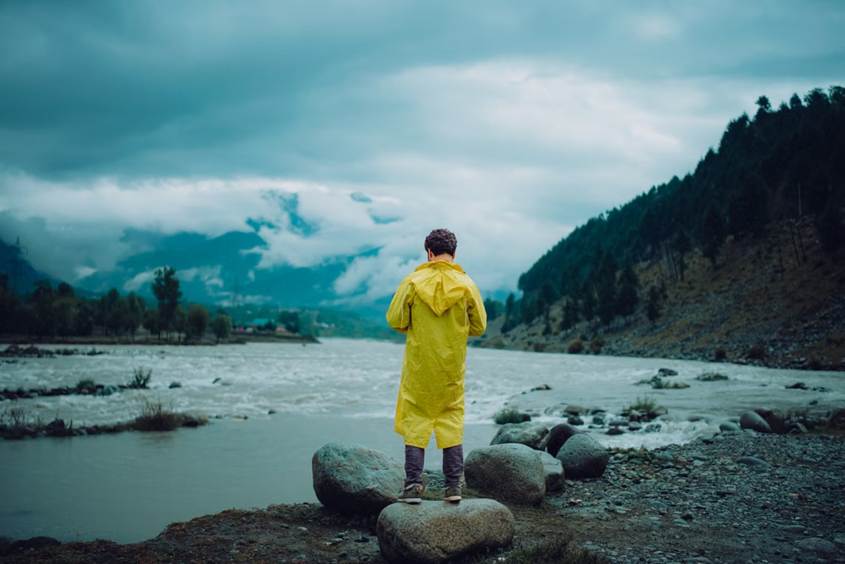
Don’t trust the weather report. It’s a helpful starting point, but Mother Nature is unpredictable. Dressing based on current conditions is a common mistake that’s easy to avoid. Wearing or packing layers is the key to being ready for whatever weather comes your way.
Of course, if you’re spending the day at the beach, you don’t need to pack a winter parka. Be thorough but also realistic. It’s better to have extra layers and not end up needing them than to be forced to call off the trip early because you’re freezing or soaking wet.
Bring a Pre-Prepared Emergency Kit
On the day of the big adventure, don’t just throw a bunch of supplies into a bag and hope for the best. The prudent approach is to have an emergency backpack ready to go at all times. In the survivalist community, we call it a bug-out bag.
Now, bug-out bags are typically reserved as a grab-and-go option when you need to escape natural or man-made disasters, but they’re great for outdoor day trips, too. Just toss it in the trunk of your car – it’ll be there if you need it.
If you need to travel light, things get a little trickier. In that case, choose specific, relevant items to make a mini bug-out bag. For example, instead of bringing a complete first-aid kit, you could grab a few key items, like pressure bandages, gauze, medical tape, and a tourniquet.
Embrace Fortitude and Resilience
When the going gets tough, the tough get going. When venturing into the wild, there’s no guarantee that you’re going to have a relaxing, or even pleasant, experience. If things take a turn for the worse, mental and emotional strength will be critical.
According to Harvard Medical School, feeling anxious during turbulent times is not just normal, but necessary for recognizing when there’s a problem. However, it’s important that you don’t let anxiety take over and prevent you from taking the crucial next steps. Recognize the anxiety, but do your best to push through it. Stay calm and seek solutions.
Lean on Friends and Family
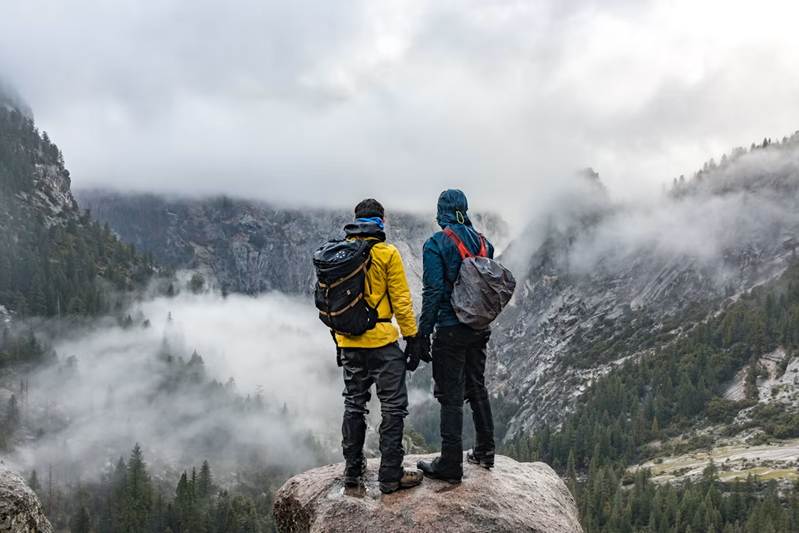
Even if you’re embarking on a solo adventure, friends and family can help you stay safe when unexpected problems occur. Before heading out, leave them with a detailed guide to where you’ll be going and what to do if they don’t hear from you.
If you’re traveling with a group, lean on each individual’s unique skills. Maybe one person excels at speed while another is known for their stamina. Open communication will empower your whole group to move forward with confidence, whether you’re preparing for or dealing with a problem.
Focus on the Five Pillars of Survival
Even if you’re just planning on a quick hike, it’s important to have a contingency plan. Focusing on water, fire, food, shelter, and first aid, the five pillars of survival, lets you focus your gear and mindset on the things that matter most in an emergency situation outdoors.
Enjoy the Experience
Being prepared is a must, but at the same time, try not to let worry ruin the experience. Spending time in the great outdoors is so rewarding, and those unexpected twists and turns can be valuable opportunities to learn and develop new skills. Don’t be scared – be prepared. Happy trails!

Texas Outdoors
Latest posts by Texas Outdoors (see all)
- How to Prepare for a Long Day Outdoors When Things Don’t Go as Planned – September 29, 2026
- Essential Materials for Long-Lasting Coastal Construction Projects – November 24, 2025
- Best Compact EDC Gear for Hunters and Survivalists – June 22, 2025

Leave a Reply