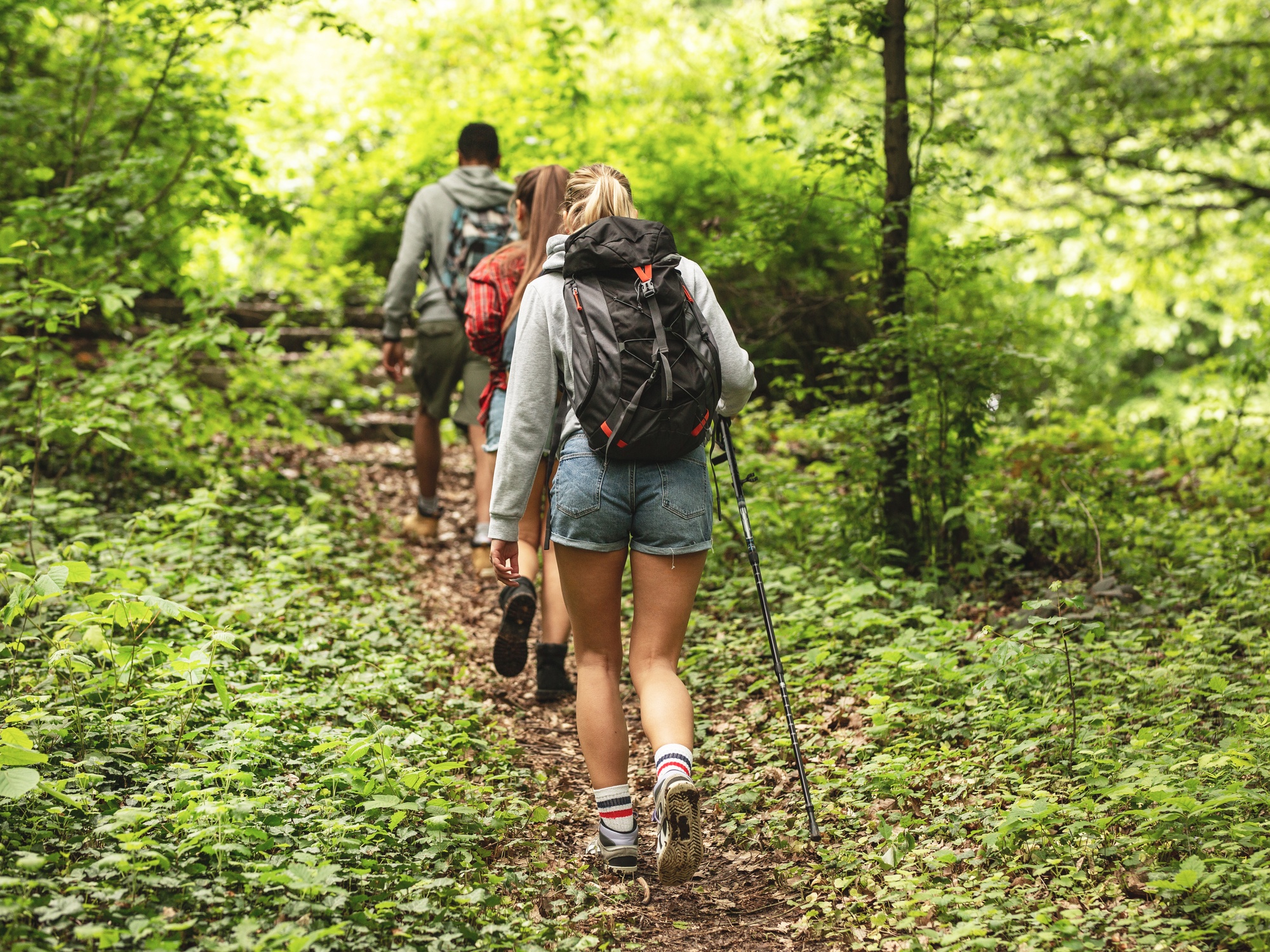
A hiking group rarely spreads out all at once. One person pauses to adjust a strap while somebody else slows on a climb. Meanwhile, the folks up front keep moving until a bend or wall of brush blocks the view. That is why every Texas group hike needs a trail sweep: one dependable person who stays behind the last hiker and keeps the leader informed.
Put an Experienced Hiker at the Rear
The hike leader can choose the route and set the pace, but that person cannot watch everyone while facing forward. A trail sweep fills the blind spot. The sweep stays behind the last hiker and notices when the group stretches out. From there, the sweep can alert the leader before a small delay turns into a missing hiker.
No one should walk behind the sweep. That boundary gives the group a clear back edge, just as the leader provides a clear front. If the sweep can see the last hiker and stay in contact with the leader, everyone has a better chance of reaching each stop together.
The role should never feel like punishment for being the slowest person. The sweep is not stuck in the back; the sweep is responsible for it. That distinction helps slower hikers speak up without feeling as though they are holding the whole outfit hostage.
Choose a Sweep Who Can Read the Group
The strongest hiker is not automatically the best sweep. Experience matters, but patience and judgment matter more. The right person notices when the stops become more frequent or the conversation drops off. They also spot when someone starts making rushed choices on rough ground.
A good sweep also knows the planned route and can recognize a wrong turn before following it deeper into the brush. That person should feel comfortable telling the leader to hold up when the rear group needs time. A hiking buddy who treats every outing like a race may be happier somewhere closer to the front.
Assign the position before leaving the trailhead. Waiting until the group has already spread out defeats the purpose, and choosing a sweep on the move creates the sort of confusion this system is supposed to prevent.
Set the Ground Rules Before You Start
The leader and sweep need to agree on the basics before the first boot hits the trail. It does not require a formal briefing long enough to make everyone miss sunrise. Two minutes is usually enough to establish a few rules:
- Nobody moves ahead of the leader or behind the sweep.
- The entire group stops at confusing turns and trail hazards.
- The sweep signals the leader when the rear loses visual contact.
- A replacement takes over before the original sweep leaves the rear position.
The group should also know where it will automatically regroup. Trail intersections are obvious choices, but a stop may also make sense after a steep climb or anywhere thick vegetation blocks the view. Without those expectations, a hiking group can stretch out faster than a Panhandle fence line.
Keep Trail Messages Short and Useful
The sweep does not need to narrate every step from the back. The leader only needs to know what changed and what the group should do next. A useful message might be, “Hold at the next junction; one hiker needs five minutes.”
When plans change on the trail, a short, direct message keeps a minor delay from turning into confusion at the front of the group. The message should give the leader something useful to act on, not a long story delivered one breath at a time.
Radios can make that exchange easier when terrain or distance blocks ordinary conversation. The procedure should still work without them, though. The leader and sweep can agree on a whistle signal or pass a message through nearby hikers until it reaches the front.
Manage the Gaps Without Rushing Anyone
A trail sweep is not a drill sergeant. Telling the rear hikers to hurry only creates fatigue and encourages people to ignore discomfort. If the same person continually falls behind, move that hiker nearer the front at the next stop and let the leader set a pace the group can maintain.
The terrain should help determine how much space is acceptable. A loose formation may work on an open trail where the leader and sweep can see each other. Around switchbacks or creek crossings, the group should close those gaps before moving farther.
Texas heat can widen the distance quietly because people slow down at different rates. The sweep should flag the change early instead of waiting for the rear to disappear. A short regroup costs less time than sending someone back to find out where half the crew went.
Handle Stops Without Leaving the Rear Open
Most trail delays are ordinary. Someone may need to retie a boot or catch their breath after a hard climb. The sweep stays with that hiker and asks the leader to stop the group in a safe spot.
A hiker who feels a hot spot or repeated rubbing should speak up before the discomfort changes their stride. Addressing rubbing and foot pain early can keep a minor irritation from becoming much harder to manage.
If the sweep needs to escort someone back, the group must name a replacement before anybody moves. Otherwise, the group solves one problem by creating another—nobody is watching the rear. The handoff should be direct: identify the new sweep and make sure that person accepts the role. Then tell the leader who now holds the position.
An injury or serious sign of distress calls for more than a routine pause. The group should stop and follow its emergency plan. Do not split up unless everyone involved understands the route and the reason for separating. This is no time for half the crew to assume about what the other half is doing.
Use the Sweep System on Every Group Outing
The leader-and-sweep setup works beyond an organized hiking club. Friends exploring a state park can use it, and so can hunters walking from camp into remote country before daylight. The level of formality may change, but the basic rule stays the same: somebody owns the front, and somebody owns the back.
A four-person group may only need a quick verbal check at each junction. A larger crew may use planned regrouping points and a backup sweep. Either version gives everyone a clear expectation before changing conditions or different walking speeds begin pulling the group apart.
Bring the Whole Crew Back Together
A Texas group hike works better with a trail sweep because the person in front should never have to guess what is happening at the back. The role gives the group a clear rear boundary and keeps the leader informed. It also supports slower hikers without singling them out.
It takes about two minutes to set up, yet it can make the whole outing run more smoothly. Put a capable person at each end and agree on when to regroup. Then let the whole crew enjoy the trail without wondering who vanished around the last bend.

Texas Outdoors
Latest posts by Texas Outdoors (see all)
- Why Your ATV Runs Worse After It Warms Up – October 5, 2026
- What To Check Before Spending a Day on Lake Travis – September 17, 2026
- Tips To Make Your Pickup Truck the Perfect Travel Vehicle – September 16, 2026

Leave a Reply