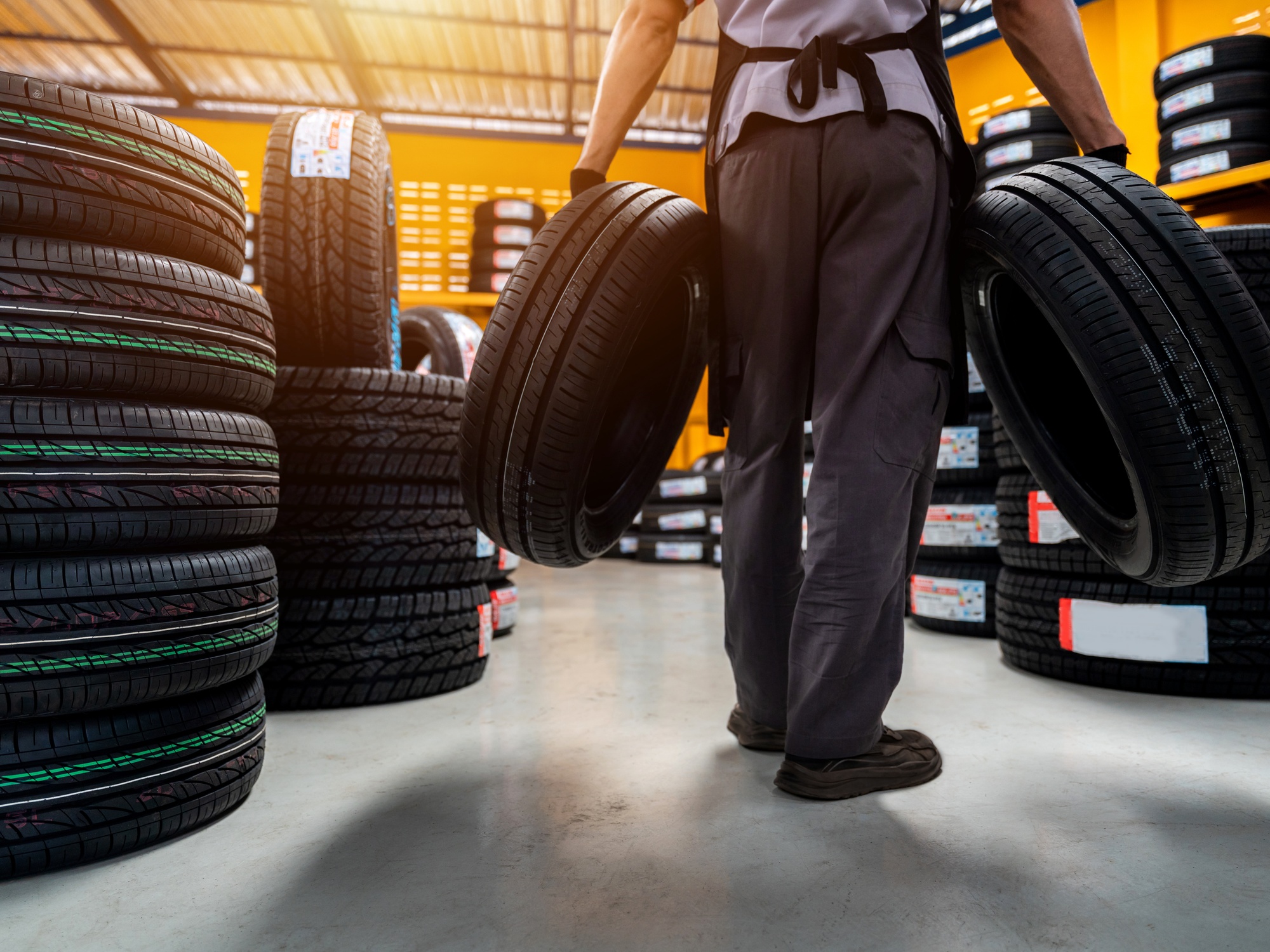
Texans ask a lot from their tires. One set may handle Houston traffic on Friday, pull a boat on Saturday, and bounce down a ranch road before sunrise on Sunday.
Choosing fuel-efficient tires can reduce the energy your vehicle needs to keep rolling, but efficiency should never come at the expense of traction, strength, or proper fit. The best choice balances fuel economy with the places you drive and the loads you carry. Below, we’ll show you how to shop for fuel-efficient tires for your car or truck.
Why Fuel-Efficient Tires Matter
Texas outdoorsmen cover serious miles between Houston traffic, boat ramps, hunting leases, and weekend campsites. Fuel-efficient tires can help stretch each tank farther while still delivering the grip, load support, and durability needed for towing gear or handling rough backroads.
Fuel-efficient tires are also one of the best enhancements that make your car more eco-friendly. For the outdoorsman who wants to preserve and protect our beautiful Texas nature, these greener options add up over time.
Start With the Correct Tire Size
Check the tire information label inside the driver’s door or read the owner’s manual before comparing models. The recommended size helps your vehicle maintain proper handling, braking, speedometer accuracy, and fuel performance.
Changing to a wider or taller tire may add a tougher stance, but it can also increase weight and rolling resistance. Unless you need a different size for a specific job, sticking close to the manufacturer’s specifications usually delivers the best all-around results.
Understand Rolling Resistance
Before you can shop for fuel-efficient tires for your car or truck, you must understand rolling resistance and what it means for your tires. Rolling resistance describes how much energy a tire loses as it flexes against the road. Tires with efficient tread patterns, lighter construction, and special rubber compounds can reduce that loss, allowing the engine to work less.
Manufacturers may describe these models as low rolling resistance, energy-saving, or fuel-efficient. Compare those claims alongside independent ratings and warranty details rather than trusting a shiny sidewall and a smooth sales pitch.
Match the Tire to Your Driving
A commuter who spends most of the week on Interstate 10 needs something different from a truck owner who hauls a bass boat or visits a deer lease. Highway tires generally provide a smoother ride and lower rolling resistance, while all-terrain tires trade some efficiency for grip on dirt, gravel, and mud.
Choose the least aggressive tread that still handles your real driving conditions safely. Buying mud tires for trips that never leave pavement is like wearing snake boots to the grocery store: impressive, perhaps, but not practical.
Check Load and Towing Ratings
Truck owners should confirm that any tire can support the vehicle, passengers, cargo, and trailer tongue weight. A tire with an inadequate load rating may run hot, wear quickly, and create a serious safety risk.
Light-truck tires can provide stronger construction for towing and heavy work, but that added material may increase weight and rolling resistance. Select the proper load range instead of buying the heaviest tire available.
Conclusion
The right tires should fit your vehicle, match your Texas adventures, and keep you confident when pavement turns rough. Choose wisely, maintain them properly, and save the extra fuel money for bait, brisket, or both.

Texas Outdoors
Latest posts by Texas Outdoors (see all)
- What To Check Before Spending a Day on Lake Travis – September 17, 2026
- Tips To Make Your Pickup Truck the Perfect Travel Vehicle – September 16, 2026
- The Best Winter Destinations for a Motorcycle Trip – September 14, 2026

Leave a Reply