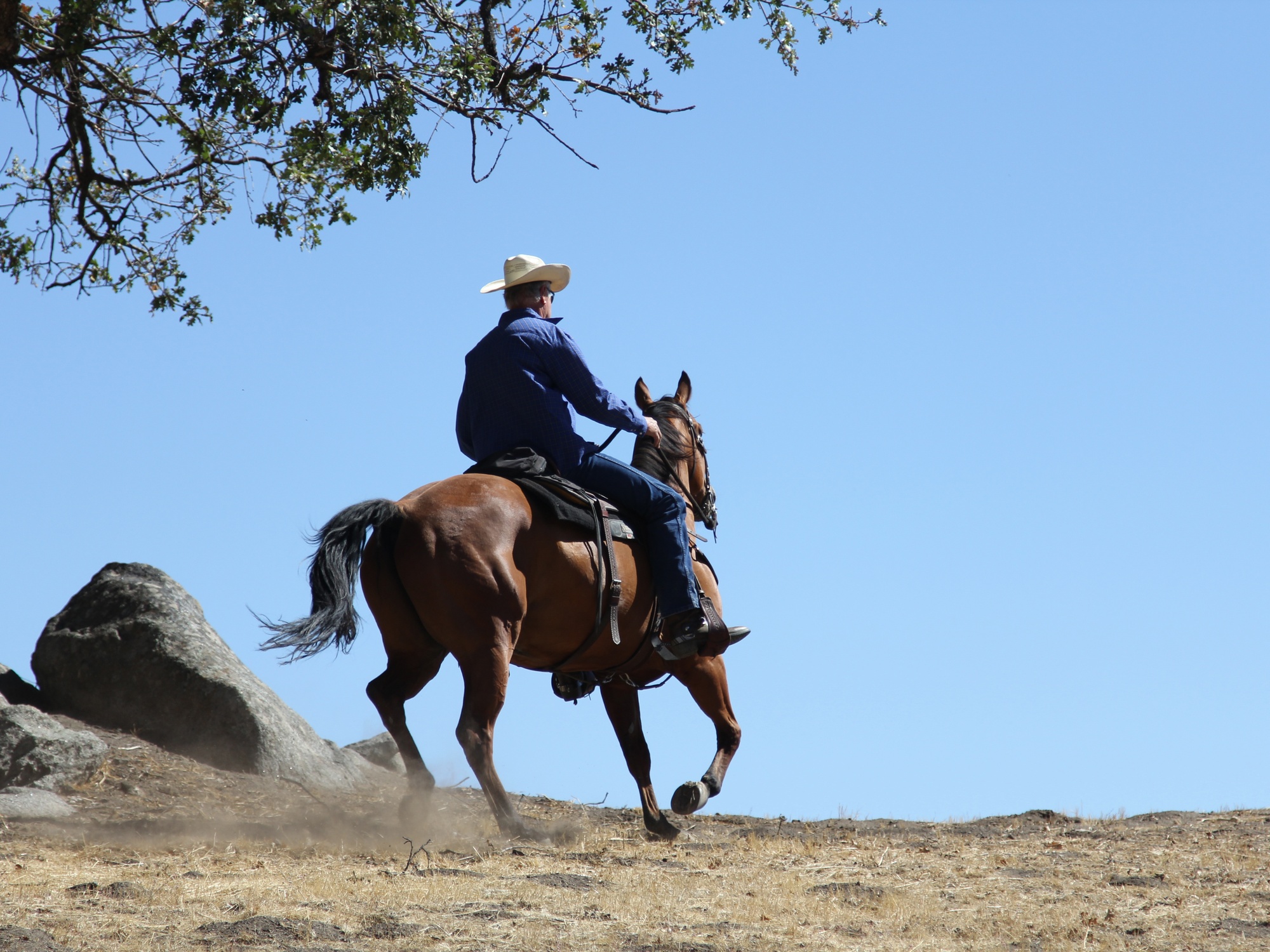
If you’ve ever climbed down after a ride thinking, “Welp, that felt great… but how’s my horse feel?” you’re already on the right track. Oftentimes, it’s the little habit you repeat every single time you swing a leg over. Read on for some riding habits that keep your horses sound longer, so you can help your horse stay comfortable, willing, and ready to go when you are, whether you’re heading down the trail or loping circles in the arena.
Warm Up Like You Mean It
A cold start is a fast way to get a stiff horse, and nobody wants that. Give your horse a few minutes of easy walking before asking for more, especially after time off or chilly weather. Let the joints loosen, and the back soften before you pick up the pace. Think of it like stretching before you try to two-step all night. A steady warm-up also gives you time to check how your horse is moving that day.
Ride Balanced and Quit Hanging On the Front End
A lot of soundness problems start when a horse spends too much time pulling themselves around on the front end. You can help by riding balanced and keeping your body quiet. Sit deep, keep your legs supportive, and avoid bracing on the reins like you’re trying to water ski. When your horse carries themselves better, they don’t pound their joints as much, and they stay looser through the back.
Tack Fit Matters More Than Folks Want to Admit
A horse can be in great shape and still get sore if the tack is pinching, rubbing, or sliding around. Before you ride, check your saddle placement, cinch snugness, and pad setup. Then pay attention while you’re riding: some common signs your horse is showing discomfort include ear pinning, tail swishing, head tossing, a shortened stride, or a sudden “nope” attitude that seems out of character. Tack issues don’t always look dramatic, but they add up.
Cool Down and Recover Like a Pro
When you’re done, don’t just hop off and vanish like a cowboy in a dust cloud. Walk your horse out until their breathing settles, especially after harder work. Then check legs, feet, and overall attitude. Hydration matters, and so does footing. If the ground is deep, hard, or slick, your horse may feel it later. A solid cooldown helps reduce stiffness, and it builds a routine your horse can rely on.
Ride On and Keep ’Em Feeling Sound
At the end of the day, sound horses usually come from steady riders with steady habits, not one-time fixes. Warm up, ride balanced, keep tack comfortable, mix the work, and cool down like you’ve got sense. That’s what these riding habits that keep your horses sound longer are all about, and if you stick with it, your horse will stay happier, looser, and ready to ride, bless it!

Texas Outdoors
Latest posts by Texas Outdoors (see all)
- Why Your ATV Runs Worse After It Warms Up – October 5, 2026
- What To Check Before Spending a Day on Lake Travis – September 17, 2026
- Tips To Make Your Pickup Truck the Perfect Travel Vehicle – September 16, 2026

Leave a Reply