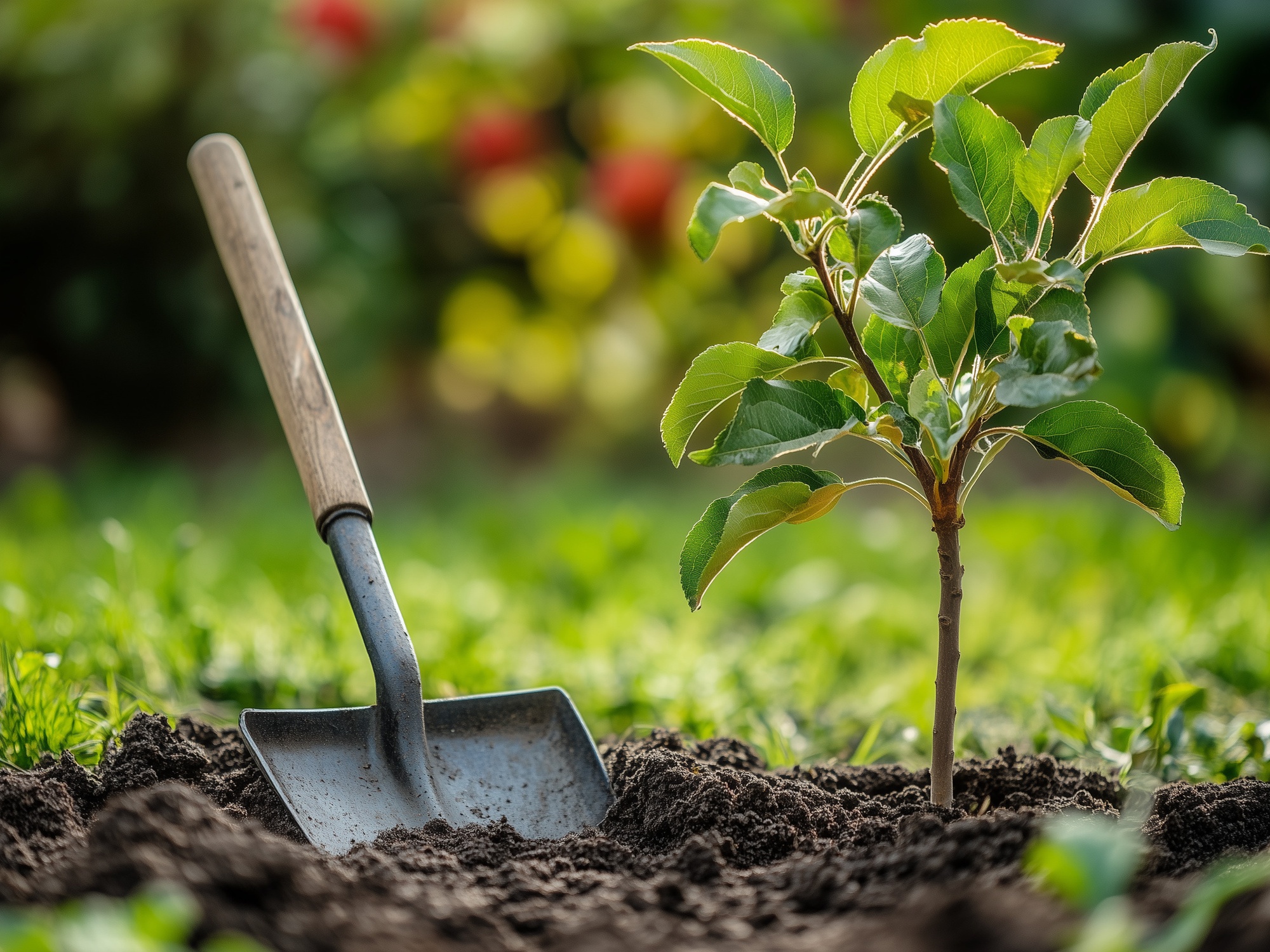
Planting an orchard is exciting, but the prep work carries a lot of weight. It’s easy to focus on picking trees and picture the finished rows, then realize the ground itself still needs attention first.
When you take care of a few basics early, you avoid problems that can slow growth, strain young trees, and make future upkeep harder than it needs to be. A look at things you should do before planting your orchard can help you start with more confidence and fewer surprises.
Test Your Soil Before Anything Goes In
Soil sets the foundation for everything that comes next. A basic soil test shows pH, nutrient levels, and texture, which tells you whether the ground can support healthy root development and steady growth. Orchard trees do best when the soil matches their needs from the start, because correcting major problems after planting takes more time, costs more money, and puts young trees under stress right away.
Clear Out Competing Vegetation First
Is the area where you plan on planting your orchard free of invasive vegetation? Vegetation management near orchards and vineyards is important. Weeds, grasses, and brush can overgrow in these spaces, and when they do, they can sap moisture and nutrients from the soil. Give your planting area a cleaner start by removing overgrowth prior to planting. Otherwise, you risk your young trees struggling early.
Check How Water Moves Through the Site
Water problems show up fast after planting, so it helps to look at drainage before you commit to a layout. Some areas stay soggy after rain, while others dry out almost immediately, and both conditions can create trouble for young orchard trees.
Roots need oxygen as much as moisture, and standing water cuts that off. Dry patches can leave new trees stressed before they even get established. Walking the site after a heavy rain gives you a clear picture of where water collects, where it runs off, and which spots need improvement before planting begins.
Plan Enough Space for Every Tree to Grow
Tree spacing affects airflow, sunlight, root spread, and access for future maintenance, so it deserves careful attention before planting day. Crowded trees compete for light and nutrients, and that can limit growth as the orchard matures. Tight spacing also makes pruning, mowing, spraying, and harvesting harder than they need to be. A clear layout helps you match each tree’s mature size to the space available, which keeps the planting organized and makes long-term care much more manageable.
Make Sure Sun Exposure Matches Your Tree Choices
Fruit trees need steady sunlight to grow well and produce consistently, so this is worth checking before anything goes into the ground. A site might look open at first glance, but nearby buildings, fences, and mature trees can block light for part of the day.
That reduced exposure can affect growth, flowering, and fruit quality once the orchard starts developing. Watching how sunlight moves across the space helps you spot shaded sections and better planting areas, which gives young trees a stronger start and helps the orchard develop more evenly.
Give Your Orchard a Better Start
You don’t need to have every detail perfect on day one, but the groundwork needs to be solid before planting starts. When the site is prepared properly, young trees have a better chance to establish, grow evenly, and stay healthier through those early seasons. That’s really the value in paying attention to things you should do before planting your orchard before any trees go into the ground.

Texas Outdoors
Latest posts by Texas Outdoors (see all)
- Why Your ATV Runs Worse After It Warms Up – October 5, 2026
- What To Check Before Spending a Day on Lake Travis – September 17, 2026
- Tips To Make Your Pickup Truck the Perfect Travel Vehicle – September 16, 2026

Leave a Reply