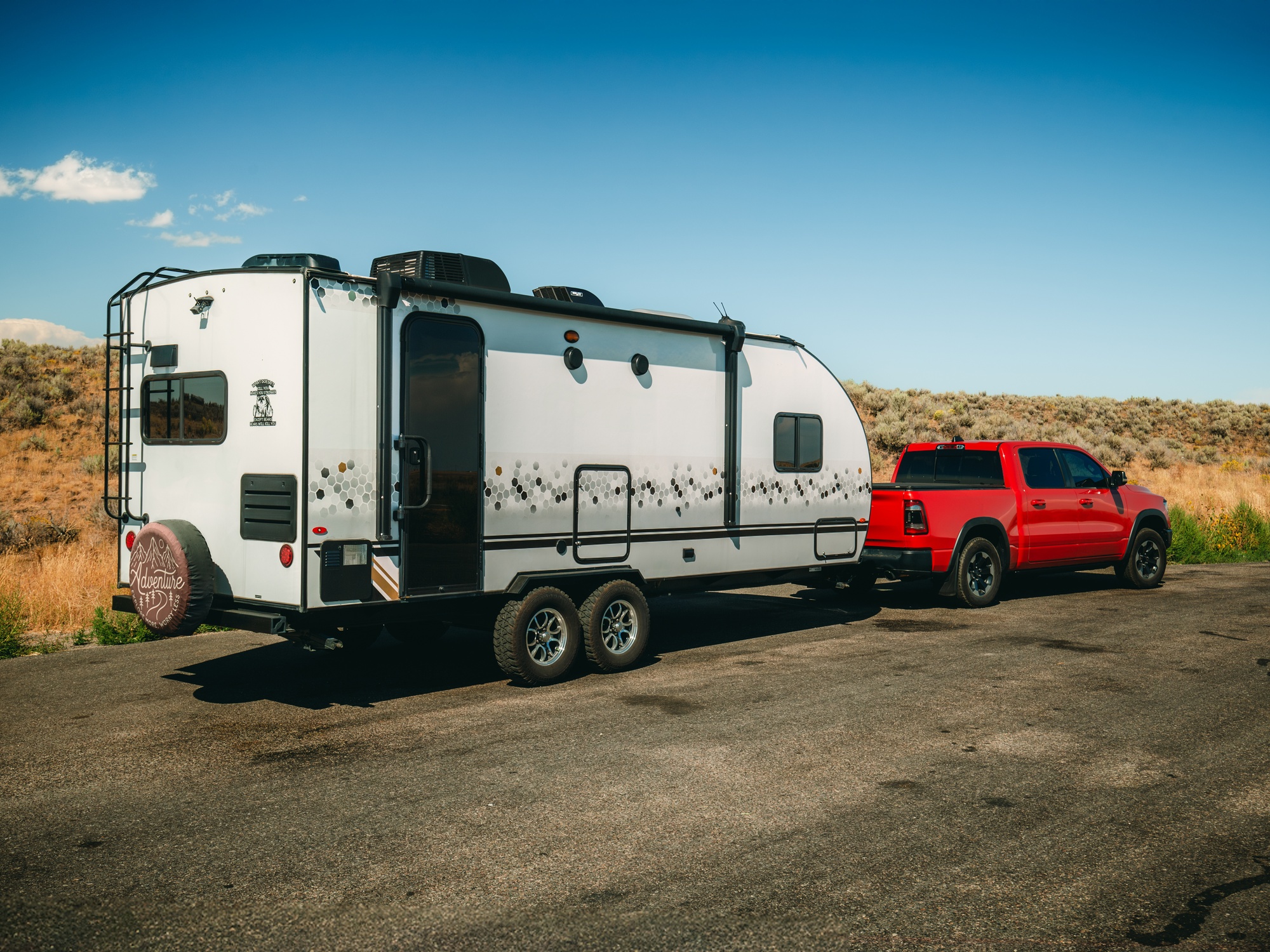
Your truck can feel powerful and responsive when it travels without much extra weight. Once a heavy trailer connects, that familiar road character starts to change. The truck now must move far more mass every time you press the accelerator.
Those changes become more apparent as the road places greater demands on the truck. A steep grade can make a powerful pickup feel less eager than expected. Heavy towing changes how your truck performs because additional weight influences nearly every action it does on the road.
Heavy towing does not need to make every trip stressful. A well-prepared truck can remain predictable when the driver respects the additional weight behind it. Handle the load with some Texas common sense, partner, and the entire trip can feel far more controlled.
Extra Weight Changes Acceleration
A truck needs greater force to move when a heavy trailer rests behind it. The difference becomes obvious as soon as the driver accelerates from a complete stop. What once felt quick can suddenly require more patience.
Highway entrances make this change especially noticeable. The truck needs additional road space before it can match the pace of nearby traffic. Drivers who anticipate that slower response can merge with greater confidence rather than demand sudden power from the truck.
The Engine Faces Greater Demand
Heavy trailer weight forces the engine to work harder throughout the trip. Maintaining road speed now requires more effort because the truck must pull considerably greater mass. The difference becomes even stronger when the road starts to rise.
Heat can increase as engine demand rises for extended periods. Hot Texas weather can make this pressure more noticeable during a hard haul. Drivers who respect the truck’s pace can reduce unnecessary strain when conditions become demanding.
Transmission Stress Becomes Clear
The transmission must respond whenever road conditions alter the amount of power the truck needs. Heavy trailer weight can keep the truck in lower gears for longer periods. This response helps the engine produce the force required to move the load.
Drivers may notice more frequent gear changes once the terrain becomes less predictable. The transmission reacts because the truck needs different amounts of power as road resistance changes. A steady pace gives the powertrain a better chance to work without constant demands from the accelerator.
Stopping Takes More Time
A heavy trailer carries substantial momentum once the truck reaches highway speed. That momentum continues to push forward when the driver presses the brake pedal. The truck consequently needs more road before the entire combination can come to rest.
This difference changes how drivers should approach traffic ahead. Extra space creates more time for the truck to reduce its momentum without abrupt brake input. Give that trailer some room, y’all, because several tons of weight will not stop like an empty pickup.
Suspension Response Feels Different
Trailer weight places additional pressure toward the rear of the truck. Drivers may notice that pressure through changes in ride quality as the truck crosses uneven pavement. The suspension must control far more force than it encounters during ordinary road use.
Too much pressure at the rear can also change the truck’s stance. That change can influence how planted the front of the truck feels against the road. A balanced setup helps the chassis remain composed when rough pavement tries to upset the ride.
Steering Requires More Patience
Heavy trailer weight can make steering response feel different from what drivers normally expect. The truck may not react quite as quickly when the driver enters a curve. That difference becomes easier to notice as trailer weight increases.
Smooth steering input helps the truck maintain a more predictable path. Sudden corrections can send unwanted force through the hitch and make the trailer react behind you. Keep those hands steady, partner, especially when open Texas highways start to get a little rowdy.
Tires Work Harder Under Weight
Heavy towing places substantial pressure where each tire meets the pavement. The tires must support additional mass as the truck travels across the road. Extended highway travel can make this extra demand especially noticeable.
Wheel choice also deserves attention because the wheels must support the demands placed upon the tires. Following the best tips for choosing dually wheels for towing will help owners select equipment suited to serious truck use. The right match can help the truck feel more composed when substantial trailer weight enters the equation.
Fuel Use Starts to Rise
A heavy trailer requires the engine to produce more power throughout the trip. Greater engine demand naturally requires more fuel than the same route without substantial trailer weight. Drivers can often notice the difference within the first portion of a long haul.
Speed can make that difference even more apparent on open highways. Greater road resistance forces the engine to work harder as the truck tries to maintain an aggressive pace. Ease up a touch, partner, and that fuel gauge may stop fallin’ quite as fast across those wide Texas roads.
Trailer Sway Changes Road Feel
A trailer can move from side to side when outside forces upset its path. Even small movement behind the truck can make the driver feel less confident at highway speed. The effect becomes more uncomfortable when the trailer carries substantial weight.
Calm driver input can help prevent small movements from becoming more dramatic. Aggressive steering can send additional force through the truck and make the trailer harder to settle. No need to get western with the wheel when a smooth response gives the entire setup more time to recover.
Road Grades Reveal the Difference
Flat pavement can hide how much work a truck performs under a heavy load. Once the road climbs, gravity adds another force that the powertrain must overcome. The truck may lose speed even when the driver applies more throttle.
A descent creates a very different relationship with that same trailer weight. Gravity now pushes the truck forward and makes momentum harder to control. Drivers who reduce speed early can approach the descent without forcing the truck to correct excess momentum later.
Preparation Changes the Experience
A truck feels more predictable when its setup matches the weight it must pull. Proper preparation allows the vehicle to respond without constantly fighting against demands beyond its intended limits. Drivers can then concentrate on the road rather than wrestle with an unstable setup.
Heavy towing will always ask more from a truck than ordinary road use. That does not mean every hard haul has to feel uncomfortable or unpredictable. Give the truck the respect it deserves, partner, and it can face serious work with far more confidence.
Heavy towing transforms how a truck performs because additional mass changes the forces it must control. Every mile asks the vehicle to work harder than it would without a substantial trailer behind it. Those demands become especially clear when the road turns steep, or traffic requires a quick response.
The best approach starts with respect for the weight behind the truck. Drivers who understand how their vehicle reacts can make calmer decisions and avoid demanding more than the setup can comfortably provide. Keep things steady, use a little Texas common sense, and that heavy haul can feel far less like a rodeo.

Texas Outdoors
Latest posts by Texas Outdoors (see all)
- Common Winter Beekeeping Issues and How to Prepare – October 13, 2026
- Why Heavy Towing Changes How Your Truck Performs – October 12, 2026
- The Best Shoes for Spending Rainy Days Outdoors – October 9, 2026

Leave a Reply