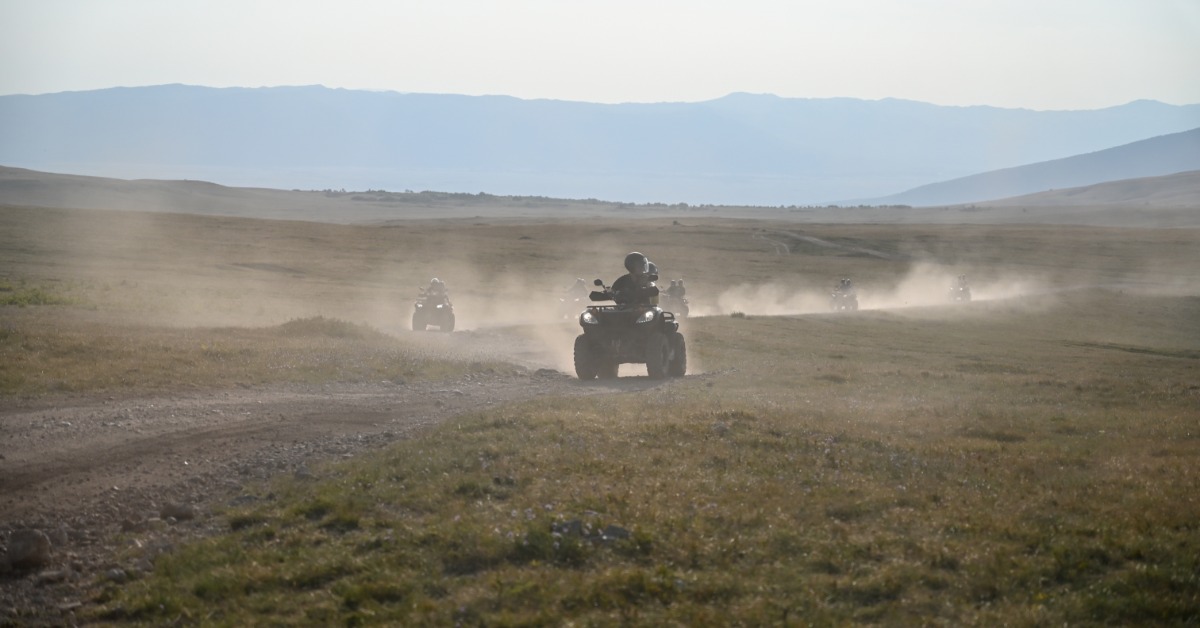
Your ATV fires right up at camp and runs strong for the first part of the ride. Then the engine warms up, the throttle response gets sluggish, or the idle turns rough enough to make you wonder whether you’ll be riding or walking back. When your ATV runs worse after it warms up, that change can help you narrow down the problem. Pay attention to when the trouble begins and what the engine does next, and you’ll have a much better idea of where to begin troubleshooting.
Heat Changes the Clues
An engine that acts differently once warm gives you useful information because its operating conditions have changed. Metal components expand as the engine reaches operating temperature, changing the conditions surrounding an existing problem. A problem that isn’t noticeable during the first few minutes of a ride may become more obvious later.
That doesn’t mean engine heat itself caused the problem. Instead, reaching normal operating temperature may expose a weakness that already exists. Focus on the pattern instead of throwing parts at the machine and hoping one sticks.
Watch When Trouble Begins
Pay attention to when the symptoms show up. Does the ATV run well for 10 minutes and then lose power? Does it idle normally until you stop after a long trail section?
A repeatable pattern matters here. If the same behavior returns around the same stage of each ride, you have a stronger clue than a one-time stumble through a mud hole.
Check the Fuel Mixture
If you ride a carbureted ATV, notice whether the engine runs better cold than warm. A cold engine needs a richer mixture during startup, which the choke helps provide. Once the engine warms, it should run properly without that extra enrichment.
If the mixture remains too rich, the engine may begin bogging or running poorly as it warms. A dirty air filter can restrict airflow, while carburetor settings or other fuel-system problems can also affect the mixture. Don’t adjust the carburetor based on one symptom alone, especially if the ATV ran correctly with the same setup in the past.
Inspect What Combustion Leaves Behind
You don’t have to rely entirely on guesswork to understand what has been happening inside the combustion chamber. Your spark plug sits directly in that environment, so its firing end can preserve useful clues from recent engine operation.
If warm-engine trouble keeps returning, remove the plug according to the ATV manufacturer’s service procedure and inspect its condition. Knowing how to read plug deposits can help you distinguish between ordinary wear and buildup that deserves more investigation. Consider the ATV’s recent riding conditions as well because a plug’s appearance alone can’t identify the cause of a performance problem.
A few observations can make your inspection more useful:
- Note whether the firing end looks dry or wet
- Look for unusually heavy dark buildup
- Check the electrodes for obvious wear or damage
- Compare the condition with previous plug inspections
- Record what the ATV was doing shortly before removal
Consider an Ignition Problem
If the trouble consistently appears once the ATV warms up, the ignition system deserves attention too. An ignition component may work normally when the machine is cold yet develop an intermittent problem after it heats up. That kind of trouble can resemble a fuel problem because either one may cause stumbling or loss of power.
Pay Attention to Misfires
Notice whether the engine simply seems weaker or whether it begins cutting out sharply. A distinct misfire points you in a different direction than a gradual loss of power.
If the ATV dies when hot and won’t restart until it cools, record that pattern rather than repeatedly cranking it. Then follow the service manual’s diagnostic procedure to check the ignition system instead of guessing which component failed.
Don’t Ignore Airflow
Texas trails aren’t exactly known for keeping air filters spotless. Dust from a dry ranch road can work its way into the air intake faster than you might expect.
A heavily restricted air filter can limit airflow to the engine and contribute to poor performance. Check the filter according to your ATV’s maintenance instructions, especially after dusty rides. If you clean or replace it and the warm-running problem remains, keep troubleshooting rather than assuming you’ve found the whole problem.
Check Cooling Conditions
Your ATV’s cooling system needs to manage engine temperature while you’re working the machine on the trail. Mud packed around a radiator or cooling fins can interfere with that job, depending on your machine’s cooling system. Low coolant on a liquid-cooled ATV can also signal a problem that deserves immediate attention.
Don’t keep riding an ATV that shows signs of overheating just to see whether it clears up. Let the machine cool, then inspect the cooling system according to the owner’s manual. A ride back to camp isn’t worth risking engine damage.
Think About the Trail
Operating conditions can help explain why a problem appears on one ride but not another. Slow travel can reduce airflow through the cooling system compared with riding steadily across an open trail.
Heavy engine loads can also make an existing performance problem more obvious. If your ATV behaves normally around the barn but struggles after working through rough country, make a note of those conditions. That context can help you narrow down the cause instead of assuming the heat alone is responsible.
Valve Clearance May Matter
If basic fuel, ignition, and cooling checks don’t explain the trouble, your ATV may need a closer mechanical inspection. Valve clearance can change as engine components wear, and an out-of-spec clearance can affect performance. Because metal expands as the engine heats, certain valve-related symptoms may become more noticeable at operating temperature.
Don’t guess at valve clearance or use a specification from a different ATV. Your service manual provides the correct measurement procedure and specifications for your engine. If you’re not comfortable checking it, this is a good point to hand the machine to a qualified technician and describe exactly what you’ve observed.
Follow the Pattern Home
Figuring out why your ATV runs worse after it warms up isn’t about finding one universal answer. You’re looking for a repeatable pattern that helps narrow down the source of the trouble. The more precisely you can describe when the problem begins, the less likely you are to chase unrelated repairs.
So don’t shrug off that mid-ride stumble because the machine ran fine again after sitting beside the trailer. Check what you can while the symptoms are fresh, and keep notes if the problem returns. Your ATV is already giving you clues that something changed; sorting them out at home beats dealing with the problem miles down a trail.

Texas Outdoors
Latest posts by Texas Outdoors (see all)
- Why Your ATV Runs Worse After It Warms Up – October 5, 2026
- What To Check Before Spending a Day on Lake Travis – September 17, 2026
- Tips To Make Your Pickup Truck the Perfect Travel Vehicle – September 16, 2026

Leave a Reply